
 EN
EN
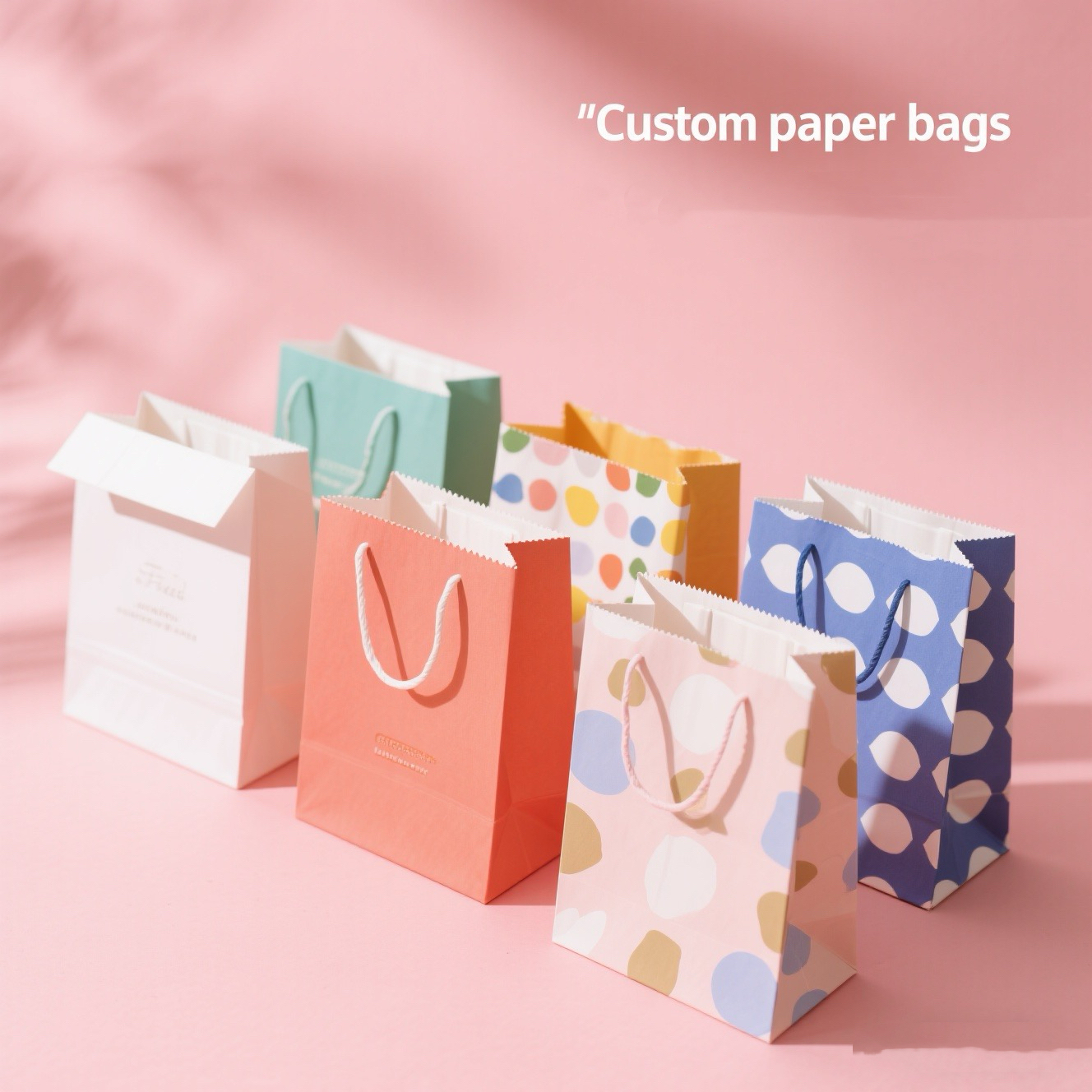
The hospitality industry is undergoing a significant transformation as businesses increasingly prioritize environmental sustainability and corporate social responsibility. Modern cafes, restaurants, and food service establishments are recognizing that their choice of packaging materials directly impacts their Environmental, Social, and Governance (ESG) performance metrics. Among the most critical decisions facing these businesses today is the selection of appropriate beverage containers that align with both operational needs and sustainability objectives. Compostable paper cup linings have emerged as a preferred solution that effectively bridges the gap between functional performance and environmental stewardship, offering food service operators a pathway to enhance their ESG credentials while maintaining operational efficiency.
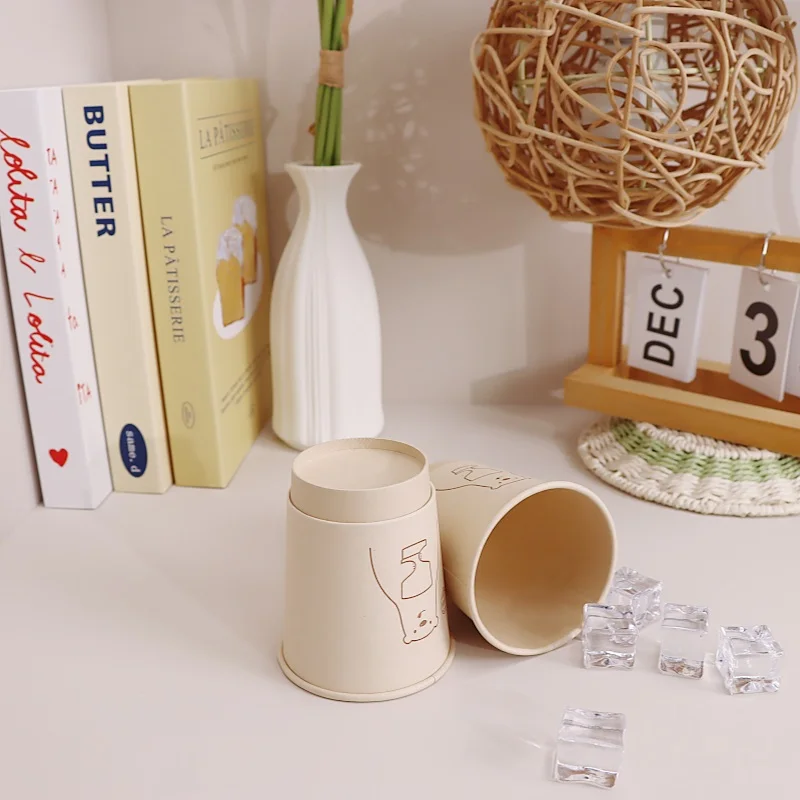
Understanding the ESG Framework in Food Service Operations
Environmental Impact Assessment for Beverage Packaging
Environmental considerations form the cornerstone of ESG evaluation in the food service sector, with packaging waste representing one of the most visible and measurable impact areas. Traditional plastic-lined paper cups contribute significantly to landfill accumulation and environmental degradation, as the plastic barrier prevents proper decomposition of the paper component. Compostable paper cup linings address these concerns by utilizing plant-based materials that break down naturally in commercial composting facilities, reducing the overall environmental footprint of beverage service operations. This shift toward biodegradable alternatives demonstrates a cafe's commitment to minimizing its ecological impact while maintaining the functional requirements necessary for hot and cold beverage service.
The lifecycle assessment of compostable paper cup linings reveals substantial environmental benefits compared to conventional alternatives. These innovative linings are typically manufactured from renewable resources such as polylactic acid (PLA) derived from corn starch or other plant-based materials, significantly reducing dependence on fossil fuel-based plastics. The production process generates lower carbon emissions, and the end-of-life disposal creates valuable compost material rather than persistent waste streams. Food service establishments implementing these solutions can quantify their environmental impact reduction through metrics such as decreased landfill contributions, reduced carbon footprint, and enhanced resource circularity.
Social Responsibility Dimensions of Sustainable Packaging
The social component of ESG encompasses the broader community impact of business decisions, including public health considerations and consumer education initiatives. Cafes utilizing compostable paper cup linings demonstrate leadership in addressing growing consumer concerns about plastic pollution and environmental degradation. This proactive approach to sustainable packaging helps build stronger community relationships and establishes the business as a responsible corporate citizen committed to positive social change. Customers increasingly seek out establishments that align with their personal values, making sustainable packaging choices a powerful tool for building brand loyalty and community engagement.
Educational opportunities arise naturally when cafes implement compostable paper cup linings, as staff and customers engage in conversations about sustainability practices and environmental stewardship. These interactions create valuable touchpoints for raising awareness about composting programs, waste reduction strategies, and the importance of choosing environmentally responsible businesses. The visible commitment to sustainability attracts environmentally conscious consumers and employees, contributing to a positive workplace culture and strengthening the cafe's position as a community leader in environmental responsibility.
Technical Performance and Operational Benefits
Barrier Properties and Beverage Compatibility
Modern compostable paper cup linings deliver exceptional performance characteristics that meet or exceed traditional plastic barriers in terms of liquid resistance, temperature tolerance, and structural integrity. Advanced biopolymer formulations provide effective moisture barriers while maintaining the flexibility and durability required for high-volume commercial applications. These linings successfully contain both hot beverages like coffee and espresso drinks, as well as cold beverages including iced teas, smoothies, and specialty drinks, ensuring consistent performance across diverse menu offerings.
The thermal stability of quality compostable paper cup linings enables safe handling of beverages at temperatures up to 200 degrees Fahrenheit without compromising structural integrity or releasing harmful chemicals. This temperature resistance ensures that hot beverages maintain their intended serving temperature while protecting customers from burns or discomfort during handling. Additionally, the barrier properties prevent beverage absorption into the paper substrate, maintaining cup strength throughout the consumption period and eliminating concerns about structural failure or leakage that could impact customer satisfaction.
Supply Chain Integration and Cost Considerations
Implementing compostable paper cup linings requires careful consideration of supply chain logistics and procurement strategies to ensure consistent availability and competitive pricing. Leading suppliers now offer comprehensive product lines that include various cup sizes, lid compatibility options, and customization capabilities to meet specific branding requirements. The growing market demand for sustainable packaging has driven economies of scale that make compostable options increasingly cost-competitive with traditional alternatives, particularly when factoring in the long-term reputational and customer loyalty benefits.
Inventory management considerations include storage requirements, shelf life characteristics, and order quantity optimization to balance cost efficiency with freshness and quality standards. Compostable paper cup linings typically require similar storage conditions to conventional alternatives, with attention to moisture control and temperature stability to maintain optimal performance characteristics. Procurement teams benefit from establishing relationships with certified suppliers who can provide consistent quality assurance and technical support throughout the implementation process.
Regulatory Compliance and Certification Standards
Composting Standards and Municipal Requirements
The effectiveness of compostable paper cup linings depends heavily on proper disposal infrastructure and adherence to established composting standards such as ASTM D6400 and EN 13432. These certifications ensure that products will break down completely in commercial composting facilities within specified timeframes, typically 90 to 180 days under controlled conditions. Cafes implementing these solutions must understand local waste management capabilities and work with municipal authorities or private composting services to establish appropriate disposal channels.
Regulatory compliance extends beyond product certification to include proper labeling, customer education, and waste stream management protocols. Many jurisdictions have implemented specific requirements for compostable packaging identification, disposal instructions, and contamination prevention measures. Successful implementation requires comprehensive staff training on proper sorting procedures and customer communication strategies to ensure that compostable paper cup linings reach appropriate processing facilities rather than contaminating recycling streams or ending up in landfills.
Quality Assurance and Performance Monitoring
Ongoing quality assurance programs ensure that compostable paper cup linings continue to meet performance standards throughout their operational lifecycle. Regular testing protocols should include barrier integrity assessments, temperature resistance validation, and compostability verification through third-party laboratory analysis. These quality control measures protect both customer satisfaction and environmental benefits by ensuring consistent product performance and proper end-of-life disposal outcomes.
Performance monitoring systems track key metrics such as product failure rates, customer complaints, and disposal pathway effectiveness to identify opportunities for continuous improvement. Data collection and analysis enable cafes to optimize their sustainable packaging programs while maintaining operational efficiency and customer satisfaction. Regular supplier audits and certification renewals ensure ongoing compliance with evolving industry standards and regulatory requirements.
Economic Impact and Return on Investment
Cost-Benefit Analysis of Sustainable Packaging Implementation
The financial implications of adopting compostable paper cup linings extend beyond immediate procurement costs to include long-term operational benefits, brand value enhancement, and risk mitigation considerations. While initial unit costs may be slightly higher than conventional alternatives, the total cost of ownership often proves favorable when accounting for waste disposal savings, regulatory compliance benefits, and customer retention advantages. Progressive pricing structures from suppliers and increasing market competition continue to narrow cost differentials, making sustainable options increasingly accessible to businesses of all sizes.
Revenue enhancement opportunities arise through premium pricing strategies, increased customer frequency, and expanded market reach to environmentally conscious consumer segments. Cafes utilizing compostable paper cup linings often experience improved customer loyalty and word-of-mouth marketing benefits that translate to measurable revenue increases. Additionally, corporate catering opportunities and B2B partnerships frequently favor suppliers with strong sustainability credentials, opening new revenue streams that justify the investment in environmentally responsible packaging solutions.
Brand Value and Market Positioning Advantages
The strategic value of implementing compostable paper cup linings extends far beyond cost considerations to encompass brand differentiation, market positioning, and competitive advantage development. Businesses that proactively adopt sustainable packaging solutions position themselves as industry leaders and attract customers who prioritize environmental responsibility in their purchasing decisions. This positioning becomes particularly valuable in competitive markets where product quality and service levels are comparable across establishments.
Marketing and communication strategies can leverage the use of compostable paper cup linings to reinforce brand values and environmental commitments through various channels including social media, in-store displays, and community partnerships. The tangible nature of sustainable packaging provides concrete evidence of environmental stewardship that resonates with customers and creates opportunities for storytelling and brand engagement. These marketing benefits often generate returns that exceed the incremental costs associated with premium packaging materials.
Implementation Strategies and Best Practices
Staff Training and Operational Integration
Successful implementation of compostable paper cup linings requires comprehensive staff training programs that address proper handling procedures, storage requirements, and customer communication strategies. Training modules should cover the technical specifications of the products, appropriate disposal methods, and the environmental benefits that align with the establishment's ESG objectives. Well-informed staff members become valuable ambassadors for the sustainability program and can effectively communicate the benefits to customers while maintaining operational efficiency.
Operational integration involves updating standard operating procedures, inventory management systems, and quality control protocols to accommodate the specific requirements of compostable paper cup linings. These updates may include revised storage procedures, modified preparation workflows, and enhanced waste sorting protocols to ensure proper disposal and maximize environmental benefits. Regular performance reviews and feedback sessions help identify operational improvements and maintain consistent quality standards throughout the implementation process.
Customer Education and Communication Programs
Effective customer education programs are essential for maximizing the environmental benefits of compostable paper cup linings and building awareness of the cafe's sustainability initiatives. Educational materials should clearly explain the composting process, proper disposal methods, and the environmental advantages of choosing establishments that prioritize sustainable packaging. Point-of-sale displays, website content, and social media campaigns can reinforce these messages while encouraging customer participation in sustainability efforts.
Communication strategies should emphasize the practical benefits of compostable paper cup linings while connecting to broader environmental themes and community values. Success metrics for customer education programs include increased awareness of sustainability initiatives, improved waste sorting compliance, and positive feedback regarding environmental stewardship efforts. Regular customer surveys and feedback collection help refine communication approaches and ensure that sustainability messages resonate effectively with target audiences.
Future Trends and Industry Evolution
Technological Advances in Compostable Materials
The rapid evolution of materials science continues to drive improvements in compostable paper cup linings, with emerging technologies offering enhanced performance characteristics and expanded application possibilities. Next-generation biopolymers demonstrate improved barrier properties, extended shelf life, and enhanced temperature resistance while maintaining full compostability under standard commercial conditions. These technological advances address previous limitations and expand the viability of sustainable packaging across diverse food service applications.
Research and development initiatives focus on optimizing the balance between performance, cost, and environmental impact through innovative material formulations and manufacturing processes. Advanced coating technologies, nano-cellulose integration, and hybrid biopolymer systems represent promising directions for further improving compostable paper cup linings. These developments suggest continued convergence between sustainable and conventional packaging performance while maintaining environmental advantages.
Regulatory Evolution and Market Drivers
Evolving regulatory frameworks at local, national, and international levels increasingly favor compostable alternatives over traditional plastic-lined options through restrictions, incentives, and mandatory reporting requirements. These regulatory trends create market pressures that accelerate adoption of sustainable packaging solutions while leveling the competitive playing field for businesses investing in environmental responsibility. Proactive implementation of compostable paper cup linings positions cafes ahead of regulatory requirements and demonstrates leadership in environmental stewardship.
Consumer awareness and demand for sustainable packaging continue to drive market evolution, with younger demographics particularly influential in shaping industry practices and expectations. This demographic shift creates long-term market advantages for businesses that establish strong sustainability credentials early in the transition period. The convergence of regulatory requirements, consumer preferences, and technological capabilities suggests that compostable paper cup linings will become the standard rather than the exception in professional food service operations.
FAQ
What makes compostable paper cup linings different from regular paper cups
Compostable paper cup linings utilize plant-based barrier coatings instead of traditional plastic linings, allowing the entire cup to break down naturally in commercial composting facilities. Regular paper cups with plastic linings cannot be properly composted because the plastic component prevents decomposition and contaminates the composting process. The compostable alternatives maintain the same liquid barrier properties and temperature resistance while offering complete biodegradability within 90 to 180 days under proper composting conditions.
How do compostable paper cup linings impact beverage taste and quality
Modern compostable paper cup linings are engineered to be taste-neutral and odor-free, ensuring that they do not impact the flavor profile or quality of beverages. The biopolymer materials used in these linings undergo extensive testing to eliminate any potential taste transfer or chemical migration that could affect beverage quality. In fact, many customers report that beverages served in cups with compostable paper cup linings taste cleaner and fresher compared to traditional plastic-lined alternatives.
What disposal infrastructure is required for compostable paper cup linings to work effectively
Effective utilization of compostable paper cup linings requires access to commercial composting facilities that maintain the temperature, moisture, and oxygen conditions necessary for proper biodegradation. Many municipalities offer commercial composting programs, while private waste management companies increasingly provide specialized collection services for compostable materials. Cafes should verify local composting capabilities and establish appropriate disposal partnerships to ensure that their sustainable packaging choices achieve intended environmental benefits.
Are compostable paper cup linings suitable for all types of beverages and temperatures
High-quality compostable paper cup linings are designed to handle the full range of beverage applications common in commercial food service, including hot coffee and tea at temperatures up to 200 degrees Fahrenheit, as well as cold beverages, smoothies, and specialty drinks. The advanced biopolymer formulations provide excellent barrier properties against both hot and cold liquids while maintaining structural integrity throughout typical consumption periods. However, extended exposure to extreme temperatures or acidic beverages may require specific liner formulations optimized for those applications.
Table of Contents
- Understanding the ESG Framework in Food Service Operations
- Technical Performance and Operational Benefits
- Regulatory Compliance and Certification Standards
- Economic Impact and Return on Investment
- Implementation Strategies and Best Practices
- Future Trends and Industry Evolution
-
FAQ
- What makes compostable paper cup linings different from regular paper cups
- How do compostable paper cup linings impact beverage taste and quality
- What disposal infrastructure is required for compostable paper cup linings to work effectively
- Are compostable paper cup linings suitable for all types of beverages and temperatures