
 EN
EN
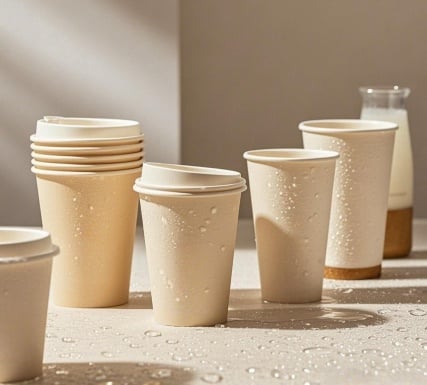
Coffee shop chains worldwide are increasingly recognizing the environmental impact of their disposable packaging choices, with biodegradable paper cups emerging as the preferred solution for businesses committed to sustainability. The shift toward eco-friendly packaging represents more than just a trend—it reflects a fundamental change in how successful coffee retailers approach environmental responsibility while maintaining operational efficiency. Modern consumers actively seek out establishments that demonstrate genuine environmental stewardship, making biodegradable paper cups a strategic investment for forward-thinking coffee shop owners.
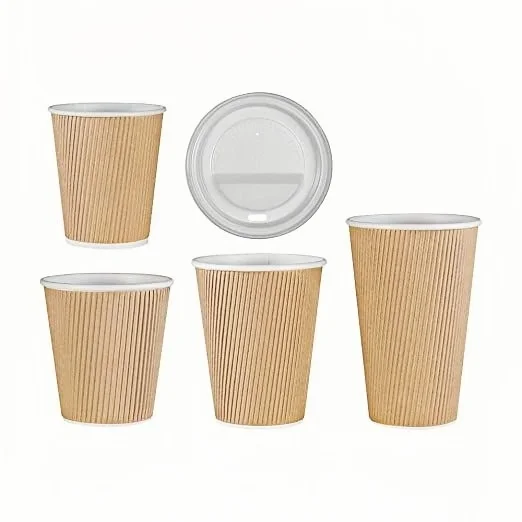
The coffee industry generates billions of disposable cups annually, creating substantial environmental challenges that traditional plastic-lined cups cannot adequately address. Biodegradable paper cups offer a comprehensive solution that aligns with corporate sustainability goals while delivering the performance characteristics that busy coffee shops require. These innovative containers break down naturally in commercial composting facilities, significantly reducing the long-term environmental footprint of coffee service operations.
Environmental Impact and Sustainability Benefits
Reduced Landfill Waste Generation
Traditional coffee cups with plastic linings contribute significantly to landfill accumulation, often requiring decades to decompose partially. Biodegradable paper cups address this challenge by utilizing materials that break down within months under proper composting conditions. The decomposition process returns organic matter to the soil, creating a circular waste management system that benefits the broader ecosystem.
Coffee shop chains implementing biodegradable paper cups report substantial reductions in their overall waste footprint. These containers eliminate the persistent plastic residue that conventional cups leave behind, ensuring that disposed items integrate naturally into waste processing systems. The environmental benefits extend beyond individual establishments to positively impact entire communities through reduced landfill pressure and improved waste management efficiency.
Carbon Footprint Reduction
Manufacturing biodegradable paper cups typically requires less energy-intensive processes compared to conventional plastic-lined alternatives. The production methods emphasize renewable materials and sustainable manufacturing techniques that minimize greenhouse gas emissions throughout the supply chain. Coffee shops choosing these eco-friendly options demonstrate measurable progress toward their carbon neutrality objectives.
Transportation efficiency also improves with biodegradable paper cups due to their lightweight construction and compact stacking capabilities. Delivery trucks can transport larger quantities per trip, reducing fuel consumption and associated emissions. This logistical advantage translates into both environmental benefits and potential cost savings for coffee shop chains managing multiple locations across extensive geographic regions.
Performance and Durability Characteristics
Heat Retention and Insulation Properties
Modern biodegradable paper cups incorporate advanced insulation technologies that match or exceed the thermal performance of traditional alternatives. Double-wall construction with corrugated inner layers provides excellent heat retention while protecting customers' hands from excessive heat transfer. These design innovations ensure that hot beverages maintain optimal serving temperatures throughout the typical consumption period.
The insulation effectiveness of quality biodegradable paper cups eliminates the need for additional protective sleeves in most applications. This streamlined approach reduces material usage while maintaining customer comfort and satisfaction. Coffee shop staff appreciate the simplified serving process, and customers enjoy the improved grip and handling characteristics that well-designed biodegradable containers provide.
Structural Integrity and Leak Prevention
Engineering advances in biodegradable materials have produced paper cups with exceptional structural integrity under normal use conditions. The specialized coatings and reinforcement techniques used in premium biodegradable paper cups prevent leaking while maintaining the environmental benefits that customers expect. These containers withstand typical coffee shop handling without compromising performance or safety.
Quality biodegradable paper cups maintain their shape and strength throughout the service period, preventing the softening or collapse issues associated with inferior products. The materials resist moisture penetration while allowing for proper decomposition after disposal. This balance between immediate functionality and long-term environmental responsibility represents a significant achievement in sustainable packaging technology.
Consumer Preferences and Market Trends
Growing Demand for Sustainable Options
Market research consistently demonstrates increasing consumer preference for businesses that prioritize environmental responsibility in their operational choices. Coffee shop patrons actively seek establishments offering biodegradable paper cups and other sustainable packaging options. This consumer behavior creates competitive advantages for early adopters while potentially disadvantaging businesses that maintain traditional packaging approaches.
Younger demographics particularly value environmental consciousness in their purchasing decisions, making biodegradable paper cups essential for coffee shops targeting millennial and Generation Z customers. These consumers often share their positive experiences through social media, amplifying the marketing benefits of sustainable packaging choices. Word-of-mouth promotion generated by environmentally conscious practices provides valuable brand exposure that traditional advertising cannot easily replicate.
Brand Image and Corporate Responsibility
Coffee shop chains adopting biodegradable paper cups strengthen their brand positioning as responsible corporate citizens committed to environmental stewardship. This alignment with consumer values enhances customer loyalty and attracts environmentally conscious employees who prefer working for companies that match their personal beliefs. The positive brand association extends beyond immediate transactions to build lasting relationships with community stakeholders.
Corporate sustainability reports featuring biodegradable paper cups demonstrate measurable environmental progress to investors, regulators, and community organizations. These tangible commitments support broader corporate social responsibility initiatives while providing concrete examples of environmental leadership. Coffee shops can leverage these achievements in marketing materials, employee recruitment, and partnership negotiations with suppliers and distributors.
Cost Considerations and Economic Benefits
Initial Investment and Long-term Savings
While biodegradable paper cups may initially cost more than conventional alternatives, the total cost of ownership often favors sustainable options over extended periods. Waste disposal savings, potential tax incentives, and reduced environmental compliance costs contribute to improved economic performance. Coffee shop chains should evaluate these packaging decisions using comprehensive financial models that account for all relevant cost factors.
Many suppliers offer volume discounts for biodegradable paper cups that narrow the price gap with traditional options. Bulk purchasing agreements and long-term contracts can further reduce unit costs while ensuring consistent supply availability. Coffee shops implementing biodegradable alternatives often discover that the premium pricing diminishes as sustainable packaging becomes more mainstream and production scales increase.
Operational Efficiency Improvements
Biodegradable paper cups often streamline coffee shop operations by eliminating the need for multiple cup types or protective accessories. Single-product solutions reduce inventory complexity and staff training requirements while maintaining service quality standards. These operational benefits translate into labor savings and improved customer service efficiency during peak business periods.
Waste management becomes more straightforward with biodegradable paper cups, as these containers integrate seamlessly into existing composting programs. Coffee shops can reduce waste sorting requirements and disposal costs while supporting municipal sustainability initiatives. The simplified waste stream management contributes to cleaner working environments and more efficient daily operations.
Implementation Strategies for Coffee Shop Chains
Supplier Selection and Quality Assurance
Successful implementation of biodegradable paper cups requires careful supplier evaluation and quality control processes. Coffee shop chains should establish clear performance specifications covering thermal properties, structural integrity, and environmental certifications. Regular testing and quality audits ensure that biodegradable alternatives meet operational requirements while delivering promised environmental benefits.
Supply chain reliability becomes crucial when transitioning to biodegradable paper cups, as these specialized products may have different availability patterns than conventional alternatives. Establishing relationships with multiple qualified suppliers provides backup options while encouraging competitive pricing. Coffee shops should also consider regional suppliers to reduce transportation costs and support local economic development initiatives.
Staff Training and Customer Communication
Employee education programs help staff understand the benefits and proper handling of biodegradable paper cups while enabling them to communicate effectively with customers about the environmental advantages. Training modules should cover product features, disposal instructions, and talking points for customer interactions. Well-informed staff members become valuable ambassadors for the coffee shop's sustainability commitments.
Customer communication strategies should highlight the environmental benefits of biodegradable paper cups without overwhelming patrons with technical details. Simple signage, receipt messaging, and verbal communication can effectively convey the coffee shop's commitment to sustainability. These communication efforts reinforce positive brand associations while educating customers about proper disposal methods for maximum environmental benefit.
FAQ
How long do biodegradable paper cups take to decompose
Biodegradable paper cups typically decompose within 60 to 180 days in commercial composting facilities, depending on the specific materials and environmental conditions. Home composting may take longer, usually 6 to 12 months, while standard landfill conditions can extend decomposition times. Proper composting facilities provide optimal temperature, moisture, and oxygen levels that accelerate the natural breakdown process.
Are biodegradable paper cups more expensive than regular cups
Biodegradable paper cups generally cost 10-30% more than conventional plastic-lined cups initially, but the price difference continues to decrease as production volumes increase and technology improves. Many coffee shops find that bulk purchasing, waste disposal savings, and positive customer response offset the higher unit costs. Long-term financial analysis often favors biodegradable options when considering all operational factors.
Do biodegradable paper cups work as well as traditional cups for hot beverages
High-quality biodegradable paper cups provide equivalent or superior performance compared to traditional alternatives for hot beverage service. Modern designs incorporate double-wall construction and advanced insulation materials that maintain beverage temperature while protecting customers' hands. Proper manufacturing ensures leak resistance and structural integrity throughout normal use periods.
What certifications should coffee shops look for when choosing biodegradable paper cups
Coffee shops should prioritize biodegradable paper cups with certifications from recognized organizations such as BPI (Biodegradable Products Institute), ASTM D6400, or EN 13432 standards. These certifications verify that products meet specific biodegradability and compostability requirements under controlled conditions. Additional certifications for food safety and sustainable forestry practices provide further assurance of product quality and environmental responsibility.