
 EN
EN
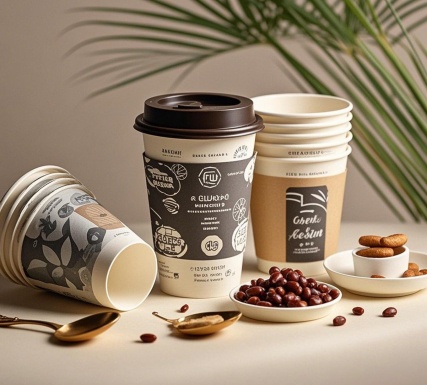
When procuring disposable paper cups for your business operations, establishing comprehensive quality verification protocols becomes paramount to ensuring customer satisfaction and regulatory compliance. The disposable foodservice industry has witnessed exponential growth, with businesses increasingly relying on high-quality paper cups to maintain their brand reputation and operational efficiency. Understanding the critical quality parameters before committing to bulk orders can save substantial costs while guaranteeing product performance that meets stringent industry requirements.
Professional procurement teams recognize that paper cups represent more than simple containers—they serve as direct touchpoints with end consumers and reflect organizational commitment to quality standards. Comprehensive quality assessment encompasses multiple dimensions including material composition, structural integrity, thermal performance, and environmental compliance factors that collectively determine product suitability for intended applications.
Material Composition and Food Safety Certification
Primary Raw Material Quality Assessment
The foundation of superior paper cups begins with evaluating the primary paperboard substrate used in manufacturing processes. Premium-grade virgin paperboard typically demonstrates superior strength characteristics and consistent thickness tolerances compared to recycled alternatives. Manufacturers should provide detailed material specifications including basis weight measurements, moisture content parameters, and fiber composition analysis to ensure compliance with food contact regulations.
Quality paper cups manufactured from certified food-grade materials undergo rigorous testing protocols to verify absence of harmful substances such as heavy metals, volatile organic compounds, and fluorinated chemicals. Verification documentation should include certificates from recognized testing laboratories confirming compliance with FDA regulations, European Food Safety Authority guidelines, and other relevant international standards governing food contact materials.
Coating and Barrier Technology Evaluation
Modern paper cups incorporate sophisticated barrier coatings designed to prevent liquid penetration while maintaining structural integrity under various temperature conditions. Polyethylene coatings represent the industry standard for most applications, though biodegradable alternatives including PLA-based films are gaining market acceptance among environmentally conscious organizations.
Comprehensive coating evaluation should examine adhesion strength, uniform distribution patterns, and chemical resistance properties to ensure consistent performance throughout the product lifecycle. Quality assurance protocols must verify coating thickness measurements across different cup zones, particularly at seam areas where coating discontinuities could compromise liquid containment capabilities.
Structural Integrity and Manufacturing Precision
Dimensional Accuracy and Tolerance Control
Professional-grade paper cups demonstrate exceptional dimensional consistency across production batches, ensuring compatibility with automated dispensing equipment and maintaining aesthetic appeal throughout the supply chain. Critical measurements include rim diameter specifications, sidewall thickness variations, bottom diameter tolerances, and overall height consistency that directly impact functional performance.
Manufacturing precision extends to seam construction quality, where overlapping material joints must demonstrate adequate bonding strength to prevent separation under normal usage conditions. Quality verification should include statistical sampling protocols to measure dimensional variations across representative production samples, establishing confidence intervals for acceptable tolerance ranges.
Compression Strength and Sidewall Rigidity
Structural performance testing evaluates the ability of paper cups to maintain shape integrity under stacking loads, transportation stresses, and handling forces encountered throughout distribution channels. Standardized compression testing methodologies provide quantitative measurements of maximum load capacity before structural failure occurs.
Sidewall rigidity assessment determines resistance to deformation when filled with liquids at various temperatures, particularly important for paper cups intended for hot beverage service where thermal expansion could compromise structural stability. Advanced testing protocols simulate real-world usage scenarios including repeated thermal cycling and mechanical stress applications.
Thermal Performance and Heat Resistance Properties
Temperature Tolerance and Heat Distribution
High-quality paper cups designed for hot beverage applications must demonstrate consistent performance across specified temperature ranges without compromising structural integrity or releasing harmful substances into food products. Thermal performance testing evaluates material behavior under both steady-state and transient heating conditions to establish safe operating parameters.
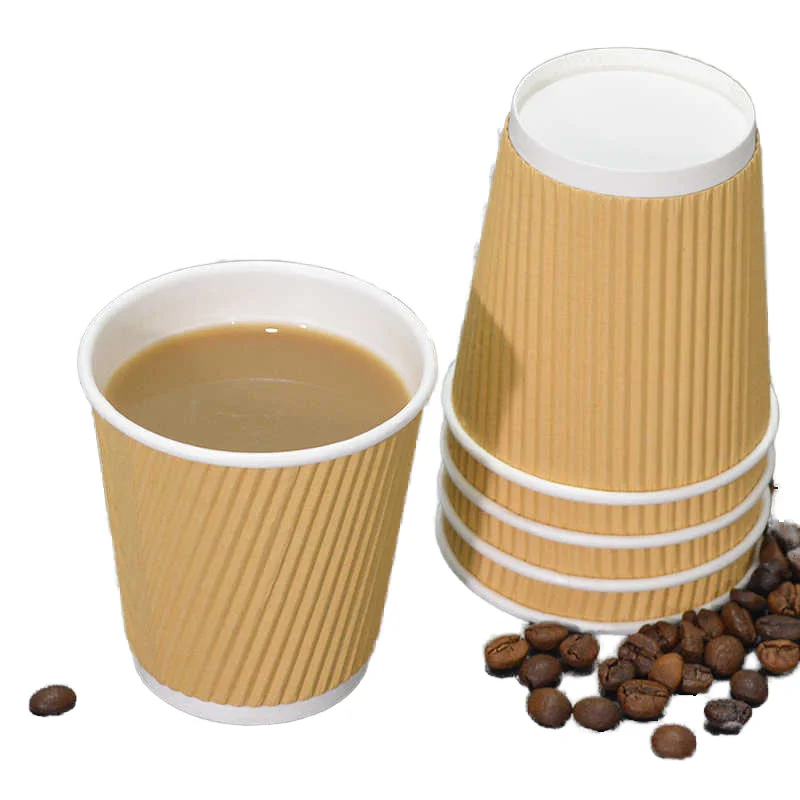
Heat distribution characteristics affect user comfort and safety, particularly for single-wall paper cups where external surface temperatures can become uncomfortable for handling. Double-wall constructions and corrugated designs provide enhanced thermal insulation properties while maintaining cost-effectiveness for high-volume applications.
Liquid Containment Under Thermal Stress
Professional evaluation protocols assess liquid containment capabilities when paper cups are subjected to thermal cycling between ambient and elevated temperatures. Quality assurance testing should verify seam integrity, coating adhesion, and overall structural stability under conditions that simulate extended hot liquid contact.
Advanced thermal testing includes evaluation of coating performance degradation over time, potential migration of packaging materials into food simulants, and assessment of any dimensional changes that could affect stackability or dispensing equipment compatibility. These comprehensive evaluations ensure consistent performance throughout the product shelf life.
Print Quality and Visual Presentation Standards
Flexographic Printing Precision and Color Consistency
Custom-printed paper cups require rigorous quality control protocols to ensure accurate color reproduction, sharp image resolution, and consistent print registration across production batches. Flexographic printing technology enables high-speed production while maintaining excellent print quality suitable for brand-critical applications.
Color matching verification should utilize standardized measurement instruments to quantify color variations against approved reference standards. Professional assessment includes evaluation of print density uniformity, dot gain characteristics, and registration accuracy that collectively determine final visual presentation quality.
Ink Adhesion and Migration Testing
Food-grade printing inks must demonstrate excellent adhesion to substrate materials while preventing migration into food products under normal usage conditions. Quality verification protocols should include specific testing for ink adhesion strength using standardized tape tests and scratch resistance evaluations.
Migration testing becomes particularly critical for paper cups intended for hot beverage service, where elevated temperatures could potentially facilitate transfer of ink components into food products. Comprehensive testing programs verify compliance with food contact regulations while ensuring long-term print durability under various storage conditions.
Environmental Compliance and Sustainability Verification
Biodegradability and Compostability Assessment
Modern procurement specifications increasingly emphasize environmental sustainability factors, requiring verification of biodegradability claims and compostability certifications for paper cups. Quality assessment should include documentation of third-party testing results confirming degradation rates under specified composting conditions.
Sustainability verification extends to raw material sourcing practices, including forest stewardship certifications and renewable content percentages that support corporate environmental responsibility initiatives. Comprehensive documentation should trace material origins through certified supply chains to verify sustainability claims.
Recyclability and Waste Stream Compatibility
Recyclability assessment for paper cups requires evaluation of coating materials and their compatibility with existing waste processing infrastructure. Traditional polyethylene-coated products may face recycling challenges in certain municipal systems, while newer barrier technologies offer improved end-of-life processing options.
Quality verification should include documentation of recycling facility acceptance and processing capabilities for specific cup constructions. This information enables informed decision-making regarding product selection based on local waste management infrastructure and organizational sustainability objectives.
Supply Chain Quality Assurance Protocols
Manufacturing Facility Auditing and Certification
Comprehensive quality assurance extends beyond individual product testing to encompass evaluation of manufacturing facility capabilities, quality management systems, and regulatory compliance programs. Professional auditing protocols should assess production equipment calibration, process control documentation, and employee training programs that collectively ensure consistent product quality.
Facility certification verification should include current status of relevant quality management certifications such as ISO 9001, SQF, or BRC standards that demonstrate systematic approaches to quality control and continuous improvement processes. These certifications provide confidence in supplier capability to maintain consistent quality standards throughout extended supply relationships.
Statistical Process Control and Batch Tracking
Advanced suppliers implement statistical process control methodologies to monitor critical quality parameters in real-time, enabling proactive identification and correction of process variations before they affect finished product quality. Quality verification should review control chart data, capability studies, and process improvement initiatives that demonstrate commitment to excellence.
Comprehensive batch tracking systems enable rapid identification and isolation of any quality issues that may arise, minimizing potential impact on customer operations. Professional suppliers maintain detailed production records linking raw material lots, processing parameters, and final product characteristics to support efficient quality investigation and corrective action implementation.
Performance Testing and Validation Protocols
Real-World Application Testing
Laboratory testing provides essential baseline data, but comprehensive quality verification should include real-world performance evaluation under actual usage conditions. Field testing protocols should simulate typical service environments including varying temperatures, humidity conditions, and handling scenarios that paper cups will encounter during normal operations.
Performance validation should include extended storage testing to verify product stability under various warehouse conditions, transportation simulation testing to assess durability during distribution, and user acceptance evaluation to ensure customer satisfaction with functional performance characteristics.
Accelerated Aging and Shelf Life Determination
Accelerated aging protocols provide valuable insights into long-term product stability and performance degradation patterns over time. These testing methodologies utilize elevated temperature and humidity conditions to simulate extended storage periods, enabling prediction of shelf life characteristics and identification of potential quality issues.
Comprehensive aging studies should evaluate changes in structural integrity, coating performance, dimensional stability, and print quality over specified time periods. This information supports inventory management decisions and helps establish appropriate storage conditions to maintain product quality throughout the distribution cycle.
Cost-Benefit Analysis and Total Value Assessment
Quality Cost Modeling and Risk Assessment
Professional procurement decisions require comprehensive cost-benefit analysis that extends beyond initial purchase price to consider total cost of ownership including quality-related risks, potential recall costs, and customer satisfaction implications. Quality cost modeling should quantify the financial impact of various quality failure scenarios to support informed decision-making.
Risk assessment protocols should evaluate supplier financial stability, production capacity limitations, and contingency planning capabilities that could affect supply continuity. These factors significantly impact total cost of ownership and should be weighted appropriately in supplier selection processes.
Long-Term Partnership Value Creation
Strategic supplier relationships focused on continuous improvement and innovation create substantial value beyond individual transactions. Quality assessment should evaluate supplier investment in research and development, willingness to collaborate on custom solutions, and commitment to supporting customer success through technical expertise and responsive service.
Partnership evaluation should consider supplier capability to scale production capacity to meet growing demand, ability to provide technical support for new product development initiatives, and commitment to maintaining competitive pricing while investing in quality improvements and environmental sustainability initiatives.
FAQ
What testing standards should paper cups meet for food safety compliance
Food-grade paper cups must comply with FDA regulations for food contact materials, including specific migration limits for chemicals that could transfer from packaging to food products. Testing should verify compliance with 21 CFR 176.170 for paper and paperboard components, while coatings must meet requirements under 21 CFR 177.1520 for olefin polymers. International standards such as EU Regulation 1935/2004 and various national food safety requirements should also be considered based on intended market distribution.
How can you verify the structural integrity of paper cups before large orders
Structural integrity verification should include compression strength testing using standardized methodologies to measure maximum load capacity before failure. Edge crush testing evaluates sidewall strength, while seam strength testing assesses bond quality at joining areas. Additionally, thermal cycling tests simulate temperature variations that paper cups will encounter during normal use, ensuring consistent performance across various service conditions. Statistical sampling from multiple production batches provides confidence in overall quality consistency.
What documentation should suppliers provide for quality verification purposes
Comprehensive quality documentation should include material safety data sheets for all raw materials, third-party laboratory test results confirming food safety compliance, and certificates of analysis for each production batch. Manufacturing facility certifications such as ISO 9001 or SQF demonstrate systematic quality management approaches. Additionally, suppliers should provide detailed specifications including dimensional tolerances, material properties, and performance characteristics along with statistical process control data showing production consistency.
How do you evaluate the environmental impact and sustainability claims of paper cups
Environmental verification requires third-party certification documentation for biodegradability and compostability claims, including specific testing results under ASTM D6868 or EN 13432 standards. Forest stewardship certifications such as FSC or PEFC verify sustainable raw material sourcing practices. Life cycle assessment data provides comprehensive environmental impact analysis, while recyclability evaluation should consider local waste processing infrastructure compatibility. Suppliers should provide transparent documentation of their sustainability initiatives and measurable environmental performance improvements.
Table of Contents
- Material Composition and Food Safety Certification
- Structural Integrity and Manufacturing Precision
- Thermal Performance and Heat Resistance Properties
- Print Quality and Visual Presentation Standards
- Environmental Compliance and Sustainability Verification
- Supply Chain Quality Assurance Protocols
- Performance Testing and Validation Protocols
- Cost-Benefit Analysis and Total Value Assessment
-
FAQ
- What testing standards should paper cups meet for food safety compliance
- How can you verify the structural integrity of paper cups before large orders
- What documentation should suppliers provide for quality verification purposes
- How do you evaluate the environmental impact and sustainability claims of paper cups