
 EN
EN
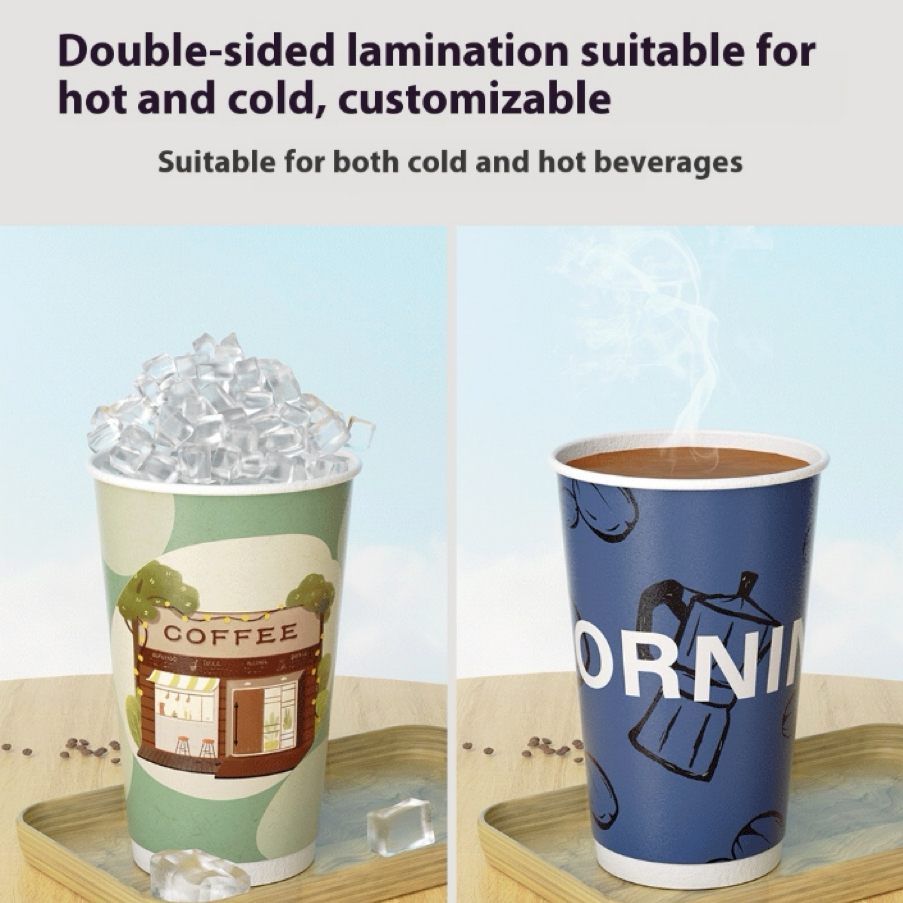
Corporate offices across the globe are increasingly prioritizing environmental sustainability, and one simple yet impactful change involves selecting the right disposable drinkware for daily operations. The choice of a sustainable paper cup can significantly reduce a company's environmental footprint while maintaining the convenience and hygiene standards required in modern workplace settings. Understanding the key factors that define sustainability in paper cup manufacturing helps organizations make informed decisions that align with their corporate social responsibility goals.
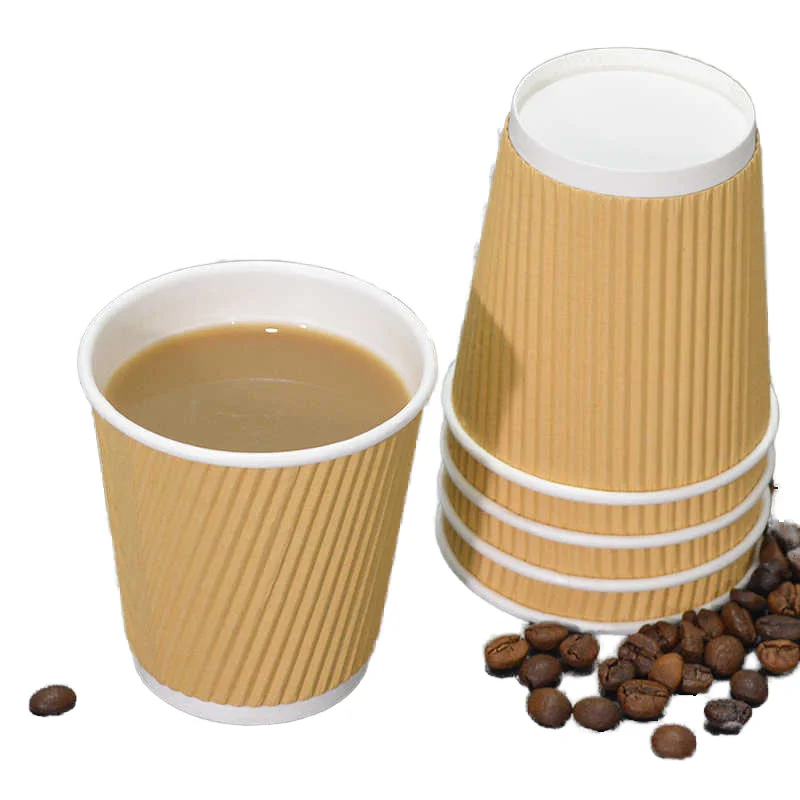
Modern businesses face mounting pressure from stakeholders, employees, and customers to adopt environmentally responsible practices. The selection of office supplies, particularly disposable items like drinkware, represents a tangible opportunity for companies to demonstrate their commitment to sustainability. A well-chosen sustainable paper cup not only reduces waste but also communicates corporate values to both internal teams and external visitors.
Understanding Sustainable Paper Cup Materials
Food-Grade Paper Construction
The foundation of any quality sustainable paper cup lies in its base material composition. Food-grade paper ensures both safety and environmental responsibility when sourced from certified sustainable forestry operations. This type of paper undergoes rigorous testing to meet international food contact standards while maintaining the structural integrity necessary for hot and cold beverages. Responsible manufacturers prioritize virgin fiber from Forest Stewardship Council certified sources or high-quality recycled content that meets food safety requirements.
The manufacturing process for food-grade paper involves careful selection of wood pulp sources and bleaching processes that minimize environmental impact. Chlorine-free bleaching methods reduce harmful chemical discharge while maintaining the clean, professional appearance expected in corporate environments. Additionally, the paper thickness and density directly impact both the cup's performance and its environmental profile, with optimal specifications balancing durability and resource efficiency.
Biodegradable Coating Technologies
Traditional paper cups often rely on polyethylene coatings that prevent biodegradation, but innovative sustainable alternatives have emerged to address this environmental concern. Plant-based coatings derived from renewable resources like corn starch or sugarcane provide effective moisture barriers while maintaining compostability under industrial conditions. These bio-based alternatives ensure that the entire sustainable paper cup can break down naturally without leaving harmful residues.
Water-based coatings represent another advancement in sustainable cup technology, offering reduced environmental impact during both manufacturing and disposal phases. These coatings eliminate the need for petroleum-based materials while providing adequate protection against liquid penetration. The development of these technologies has made it possible for companies to choose drinkware that performs comparably to conventional options while supporting circular economy principles.
Evaluating Manufacturing Processes
Energy-Efficient Production Methods
The sustainability of a paper cup extends beyond its materials to encompass the manufacturing processes used in its creation. Energy-efficient production facilities that utilize renewable energy sources significantly reduce the carbon footprint associated with each sustainable paper cup. Modern manufacturing plants increasingly adopt solar, wind, or biomass energy systems to power their operations, creating a more environmentally responsible supply chain.
Advanced manufacturing technologies also minimize waste generation during the production process. Precision cutting systems reduce material waste, while closed-loop water systems prevent contamination and reduce overall water consumption. These efficiency improvements not only benefit the environment but often result in cost savings that can be passed on to corporate customers seeking sustainable solutions.
Quality Control and Certification Standards
Reputable manufacturers of sustainable paper cups implement comprehensive quality control systems that ensure consistent performance while maintaining environmental standards. Third-party certifications such as BPI (Biodegradable Products Institute) compostability certification provide independent verification of environmental claims. These certifications give corporate purchasers confidence that their chosen sustainable paper cup will perform as expected while meeting sustainability goals.
ISO 14001 environmental management system certification indicates that manufacturers have implemented systematic approaches to reducing environmental impact throughout their operations. This certification covers everything from raw material sourcing to waste management, providing assurance that the entire production process aligns with sustainability principles. Companies should prioritize suppliers who can demonstrate these certifications as evidence of their commitment to environmental responsibility.
Design Features for Corporate Environments
Professional Appearance and Branding
Corporate offices require drinkware that maintains a professional appearance while supporting sustainability goals. A sustainable paper cup designed for office use should feature clean lines, appropriate sizing, and neutral colors that complement various office aesthetics. The natural kraft paper appearance has gained popularity in corporate settings as it clearly communicates environmental consciousness while maintaining an upscale, organic appearance.
Custom branding opportunities allow companies to reinforce their corporate identity while promoting sustainability initiatives. High-quality flexographic printing enables the application of company logos, environmental messaging, or sustainability certifications directly onto the sustainable paper cup surface. This customization transforms a simple disposable item into a communication tool that reinforces corporate values and environmental commitments to employees and visitors alike.
Functional Performance Characteristics
The performance requirements for corporate office drinkware differ from those in foodservice environments, necessitating specific design considerations. Double-wall construction provides superior insulation for hot beverages while eliminating the need for separate sleeves, reducing overall waste generation. This design feature is particularly valuable in office settings where employees often carry beverages for extended periods during meetings or while working at their desks.
Corrugated wall designs offer additional benefits for sustainable paper cup applications in corporate environments. The corrugated structure provides enhanced grip and thermal protection while using less material than solid double-wall alternatives. This efficiency in material usage directly contributes to the cup's overall sustainability profile while delivering the performance characteristics required for professional use.
Size and Capacity Considerations
Optimal Sizing for Office Consumption
Selecting the appropriate size range for a sustainable paper cup inventory requires understanding typical consumption patterns in corporate office environments. Standard sizes ranging from 8 to 16 ounces accommodate the majority of beverage preferences while minimizing inventory complexity. The 12-ounce size often represents the optimal balance between capacity and resource efficiency for most office applications.
Different beverage types may require specific sizing considerations within the sustainable paper cup selection. Hot beverages like coffee typically require smaller volumes due to concentration preferences, while cold beverages may benefit from larger capacity options. Understanding these usage patterns helps optimize inventory levels and ensures that the chosen sustainable paper cup sizes align with actual consumption needs.
Portion Control and Waste Reduction
Appropriate sizing of sustainable paper cups contributes to waste reduction by encouraging appropriate portion sizes and reducing over-consumption. Standardized cup sizes help establish consistent serving portions while supporting cost control initiatives. This approach aligns with broader corporate wellness programs that may include portion awareness components.
The availability of multiple size options allows offices to match cup capacity to beverage type and individual preferences. This flexibility reduces waste by ensuring that each sustainable paper cup is utilized to its full capacity rather than partially filled. Strategic size selection can result in both environmental and economic benefits for corporate purchasers.
Cost-Effectiveness and Budget Planning
Total Cost of Ownership Analysis
While the initial purchase price of a sustainable paper cup may exceed that of conventional alternatives, comprehensive cost analysis often reveals favorable long-term economics. Factors such as waste disposal costs, potential carbon offset expenses, and corporate reputation benefits should be included in total cost calculations. Many organizations find that the premium for sustainable options is offset by reduced waste management costs and improved employee satisfaction.
Volume purchasing arrangements can significantly improve the cost-effectiveness of sustainable paper cup procurement for large corporate offices. Manufacturers often provide substantial discounts for annual contracts or large volume commitments, making sustainable options more competitive with conventional alternatives. These arrangements also ensure consistent supply availability and pricing predictability for budget planning purposes.
Return on Investment in Sustainability
The investment in sustainable paper cups can generate returns through multiple channels beyond simple cost savings. Corporate sustainability initiatives often attract environmentally conscious employees and customers, contributing to improved brand reputation and market positioning. These intangible benefits can translate into measurable business value through improved employee retention and customer loyalty.
Many corporations report that visible sustainability initiatives like switching to sustainable paper cups help engage employees in broader environmental programs. This engagement can lead to additional cost savings through improved recycling rates, reduced energy consumption, and other employee-driven sustainability improvements. The cumulative effect of these initiatives often exceeds the direct costs of sustainable product procurement.
Implementation and Transition Strategies
Phased Rollout Planning
Successful implementation of sustainable paper cup programs requires careful planning and gradual transition strategies. A phased approach allows organizations to test different products, gather user feedback, and optimize procurement processes before full-scale deployment. Starting with high-visibility areas like executive floors or main break rooms can help build momentum and demonstrate commitment to sustainability goals.
Communication strategies play a crucial role in successful sustainable paper cup implementation. Clear messaging about the environmental benefits, performance characteristics, and corporate commitment to sustainability helps ensure employee buy-in and proper usage. Educational materials can highlight the specific environmental advantages of the chosen sustainable paper cup while reinforcing broader corporate sustainability initiatives.
Supplier Relationship Management
Establishing strong relationships with sustainable paper cup suppliers ensures reliable access to quality products and ongoing innovation. Preferred supplier arrangements can provide access to new product developments, volume discounts, and technical support for implementation challenges. Regular supplier reviews help maintain quality standards and identify opportunities for continuous improvement.
Supplier sustainability credentials should be regularly evaluated to ensure ongoing alignment with corporate environmental goals. This includes monitoring certifications, reviewing manufacturing practices, and assessing supply chain transparency. Strong supplier partnerships enable organizations to stay current with evolving sustainability standards and emerging technologies in sustainable paper cup manufacturing.
FAQ
What certifications should I look for when selecting a sustainable paper cup for office use
The most important certifications to look for include FSC (Forest Stewardship Council) certification for responsible paper sourcing, BPI compostability certification for biodegradable coatings, and food-grade compliance certifications such as FDA approval. Additionally, ISO 14001 environmental management certification from the manufacturer indicates systematic environmental responsibility throughout the production process.
How do sustainable paper cups perform compared to traditional plastic-lined cups
Modern sustainable paper cups with plant-based or water-based coatings perform comparably to traditional plastic-lined alternatives for most office applications. They provide adequate moisture barriers, maintain structural integrity for typical usage periods, and offer similar thermal insulation properties. The main difference is improved biodegradability and reduced environmental impact at end-of-life.
What is the typical cost difference between sustainable and conventional paper cups
Sustainable paper cups typically cost 10-30% more than conventional alternatives, depending on volume, specifications, and supplier arrangements. However, this premium often decreases with larger volume purchases and may be offset by reduced waste disposal costs, potential tax incentives for sustainable procurement, and improved corporate reputation benefits.
How should sustainable paper cups be disposed of in office environments
The disposal method depends on the specific coating used in the sustainable paper cup. Cups with certified compostable coatings can be disposed of in commercial composting systems where available. Others may be recyclable in paper recycling streams, while some require separation of components. It's important to verify local waste management capabilities and provide clear disposal instructions to employees for optimal environmental benefit.
Table of Contents
- Understanding Sustainable Paper Cup Materials
- Evaluating Manufacturing Processes
- Design Features for Corporate Environments
- Size and Capacity Considerations
- Cost-Effectiveness and Budget Planning
- Implementation and Transition Strategies
-
FAQ
- What certifications should I look for when selecting a sustainable paper cup for office use
- How do sustainable paper cups perform compared to traditional plastic-lined cups
- What is the typical cost difference between sustainable and conventional paper cups
- How should sustainable paper cups be disposed of in office environments