
 EN
EN

High-end catering services face unique challenges when it comes to food packaging and presentation. One critical component that often determines customer satisfaction is the selection of appropriate containers for takeaway portions, particularly when dealing with premium dining experiences. The leak-proof doggy box has become an essential element in maintaining the integrity and quality of leftover meals while preserving the upscale image that discerning clients expect from luxury catering operations.
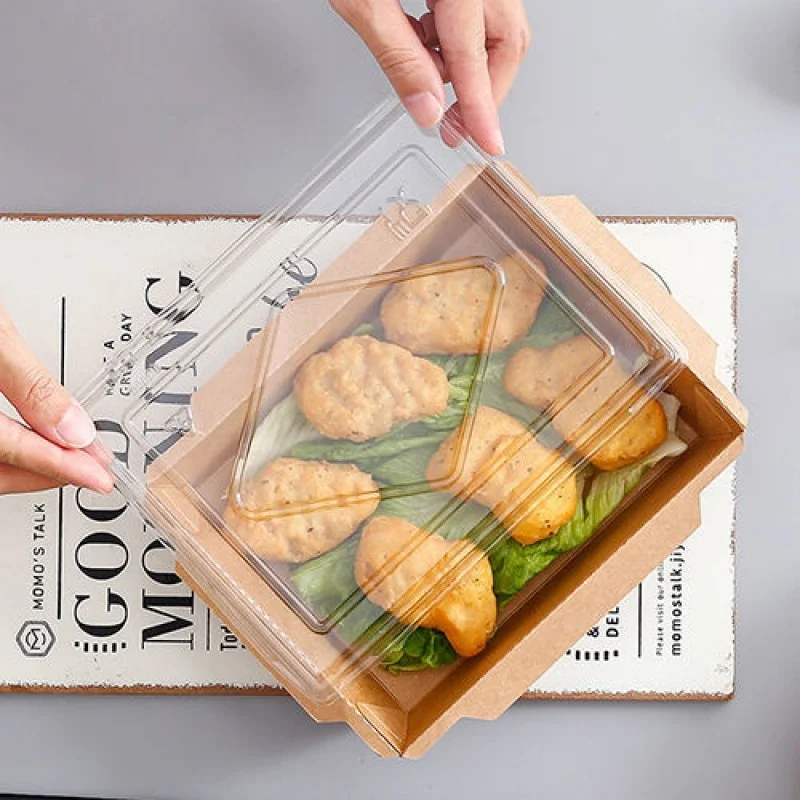
Professional caterers understand that the container selection process extends far beyond simple functionality. Modern customers expect their takeaway experience to reflect the same attention to detail and quality standards as their dining experience. A properly selected leak-proof doggy box serves multiple purposes: protecting food integrity, maintaining temperature control, preventing cross-contamination, and reinforcing brand image through thoughtful presentation.
The evolution of food packaging technology has introduced numerous options for catering professionals, making the selection process both more sophisticated and more challenging. Understanding the various materials, designs, and performance characteristics available in today's market enables caterers to make informed decisions that benefit both their operations and their clientele.
Material Considerations for Premium Food Containers
Sustainable and Eco-Friendly Options
Environmental consciousness has become a significant factor in container selection for upscale catering services. Modern leak-proof doggy box options increasingly feature biodegradable and compostable materials that align with sustainability initiatives without compromising performance. Paper-based containers with specialized barrier coatings provide excellent leak resistance while maintaining environmental responsibility.
Bamboo fiber composites represent another innovative approach to sustainable packaging. These materials offer superior strength and moisture resistance compared to traditional paper products while decomposing naturally after disposal. The natural aesthetic of bamboo-based containers also complements the premium presentation standards expected in high-end catering environments.
Plant-based plastics derived from corn starch or sugarcane provide the durability and leak-proof performance of conventional plastics while offering complete biodegradability. These materials perform exceptionally well with both hot and cold foods, making them versatile choices for diverse catering menus.
Traditional Material Performance
Polypropylene containers continue to play important roles in professional catering operations due to their exceptional chemical resistance and temperature tolerance. When selecting a leak-proof doggy box made from traditional plastics, consider the material's ability to withstand both refrigeration and reheating cycles without compromising structural integrity.
Expanded polystyrene offers excellent insulation properties and lightweight characteristics that benefit both cost control and customer convenience. However, the environmental impact and disposal challenges associated with foam containers increasingly limit their use in premium catering applications where sustainability messaging matters to clientele.
Multi-layer barrier films combine different materials to achieve superior performance in specific applications. These advanced composites can provide exceptional grease resistance, oxygen barriers, and moisture control while maintaining the flexibility needed for complex food shapes and presentations.
Design Features That Enhance Functionality
Sealing Mechanisms and Closure Systems
The effectiveness of any leak-proof doggy box depends heavily on its closure system design. Snap-fit lids with multiple engagement points distribute stress evenly around the container perimeter, reducing the likelihood of accidental opening during transport. These systems should provide audible feedback when properly closed, giving staff confidence in container security.
Hinged lid designs offer convenience and prevent lid separation while maintaining secure sealing performance. The hinge mechanism must withstand repeated opening and closing cycles without losing structural integrity or sealing effectiveness. Premium hinged containers often feature living hinge technology that provides flexibility without material fatigue.
Tamper-evident features add security and customer confidence while demonstrating food safety compliance. These mechanisms can include perforated strips, adhesive seals, or integrated locking tabs that clearly indicate if container integrity has been compromised during transport or storage.
Internal Compartmentalization
Multi-compartment designs enable proper food separation while maintaining portion control and presentation standards. A well-designed leak-proof doggy box with internal divisions prevents sauce migration, maintains distinct flavors, and preserves the visual appeal of carefully plated dishes. Compartment sizing should accommodate common portion standards used in upscale dining establishments.
Removable dividers provide operational flexibility, allowing staff to customize compartment configurations based on specific menu items or customer requests. These systems require careful attention to sealing integrity where dividers interface with container walls to prevent leak paths.
Specialized compartments for sauces and dressings prevent spillage while maintaining proper food temperatures. These dedicated spaces should feature deeper wells with secure closure mechanisms that complement the main container sealing system.
Performance Testing and Quality Assurance
Leak Resistance Validation
Establishing rigorous testing protocols ensures that selected containers meet operational requirements under real-world conditions. Pressure testing simulates the stacking loads and handling stresses encountered during transport and storage. A quality leak-proof doggy box should withstand these conditions without compromising seal integrity.
Temperature cycling tests evaluate container performance across the range of conditions encountered in catering operations. Containers must maintain sealing effectiveness when exposed to hot foods, refrigeration cycles, and ambient temperature variations during transport and delivery periods.
Grease and oil resistance testing prevents embarrassing leakage incidents with high-fat menu items. This evaluation should include extended contact periods with various cooking oils and sauce bases commonly used in premium catering applications.
Durability and Handling Characteristics
Drop testing simulates the impacts containers experience during normal handling and transport operations. Quality containers should withstand multiple drop events from realistic heights without cracking or losing sealing capability. This testing becomes particularly important for catering operations that involve multiple handling transfers.
Flexural strength testing evaluates container performance when subjected to bending forces that occur during transport in soft-sided carriers or when containers are stacked at angles. Premium leak-proof doggy box designs maintain structural integrity under these conditions while preserving food presentation quality.
Chemical resistance evaluation ensures containers maintain performance when exposed to acidic foods, alcohol-based sauces, and cleaning solutions used in professional food service operations. Material degradation can compromise both leak resistance and food safety over time.
Operational Integration and Staff Training
Workflow Optimization
Successful container implementation requires careful consideration of existing kitchen workflows and service protocols. The selected leak-proof doggy box system should integrate seamlessly with current food preparation and packaging procedures without creating bottlenecks or requiring extensive process modifications.
Storage requirements for container inventory must align with available kitchen space and inventory management systems. Stackable designs minimize storage footprints while nested configurations reduce shipping costs and storage requirements. Consider seasonal volume fluctuations when establishing inventory levels and storage protocols.
Portion control integration ensures consistency between dine-in presentations and takeaway portions. Staff should understand proper filling techniques that maximize container utilization while maintaining food safety standards and preventing overfilling that could compromise sealing effectiveness.
Quality Control Procedures
Establishing clear quality control checkpoints prevents container-related customer complaints and maintains service standards. Staff training should emphasize proper lid alignment, closure verification, and visual inspection techniques that identify potential sealing issues before containers leave the kitchen.
Temperature monitoring protocols ensure that hot foods are packaged at appropriate temperatures to maintain quality during transport periods. Understanding the thermal performance characteristics of the selected leak-proof doggy box enables staff to optimize timing and temperature management for various menu items.
Documentation procedures track container performance and customer feedback to identify trends or issues that require attention. This data supports continuous improvement initiatives and informs future container selection decisions as menus and service formats evolve.
Cost Management and Value Analysis
Total Cost of Ownership Evaluation
Container cost analysis must extend beyond unit pricing to include storage, handling, and disposal expenses. Premium leak-proof doggy box options may carry higher initial costs but deliver value through reduced waste, improved customer satisfaction, and enhanced brand positioning that supports premium pricing strategies.
Volume purchasing agreements can significantly reduce unit costs while ensuring consistent supply availability during peak seasons. Establishing relationships with reliable suppliers provides access to new products and technologies as they become available in the marketplace.
Waste reduction benefits from properly selected containers include decreased food spoilage, reduced customer complaints, and improved operational efficiency. These factors contribute to overall profitability while supporting sustainability initiatives that resonate with environmentally conscious clientele.
Return on Investment Considerations
Customer retention benefits from superior packaging experiences can justify premium container costs through increased repeat business and positive word-of-mouth marketing. Quality leak-proof doggy box selection demonstrates attention to detail that differentiates premium catering services from budget competitors.
Brand positioning advantages support premium pricing strategies when container selection aligns with overall service positioning and customer expectations. Consistency between dine-in quality standards and takeaway experiences reinforces brand value propositions.
Operational efficiency improvements from reliable container performance reduce staff time spent addressing packaging issues and customer complaints. These productivity gains translate directly to improved profit margins and enhanced service capacity during peak periods.
FAQ
What materials offer the best combination of leak resistance and environmental sustainability for premium catering applications
Compostable paper-based containers with specialized barrier coatings provide excellent leak resistance while supporting environmental initiatives. Modern bio-based plastics derived from renewable sources offer comparable performance to traditional materials with complete biodegradability. Bamboo fiber composites combine superior strength with natural decomposition characteristics, making them ideal for upscale catering operations focused on sustainability.
How can catering operations ensure consistent sealing performance across different staff members and service periods
Implementing standardized training protocols with visual aids and hands-on practice sessions ensures all staff understand proper container closure techniques. Quality control checkpoints during busy service periods help identify and correct sealing issues before containers leave the kitchen. Regular performance monitoring and feedback sessions maintain consistency while identifying opportunities for additional training or process improvements.
What testing procedures should be implemented to validate container performance before making large-scale purchasing commitments
Comprehensive testing should include pressure resistance evaluation under typical stacking loads, temperature cycling tests across operational ranges, and grease resistance validation with representative menu items. Drop testing simulates transport conditions while chemical resistance evaluation ensures compatibility with acidic foods and cleaning solutions. Small-scale trials with actual menu items provide real-world performance data before committing to large inventory purchases.
How do premium leak-proof doggy box options impact overall customer satisfaction and business profitability
Quality container selection directly influences customer perception of service standards and attention to detail, supporting premium pricing strategies and customer retention efforts. Reduced food spoilage and elimination of leak-related complaints improve operational efficiency while enhancing brand reputation. The investment in superior packaging demonstrates commitment to quality that differentiates premium catering services in competitive markets, ultimately supporting long-term business growth and profitability.
Table of Contents
- Material Considerations for Premium Food Containers
- Design Features That Enhance Functionality
- Performance Testing and Quality Assurance
- Operational Integration and Staff Training
- Cost Management and Value Analysis
-
FAQ
- What materials offer the best combination of leak resistance and environmental sustainability for premium catering applications
- How can catering operations ensure consistent sealing performance across different staff members and service periods
- What testing procedures should be implemented to validate container performance before making large-scale purchasing commitments
- How do premium leak-proof doggy box options impact overall customer satisfaction and business profitability