
 EN
EN
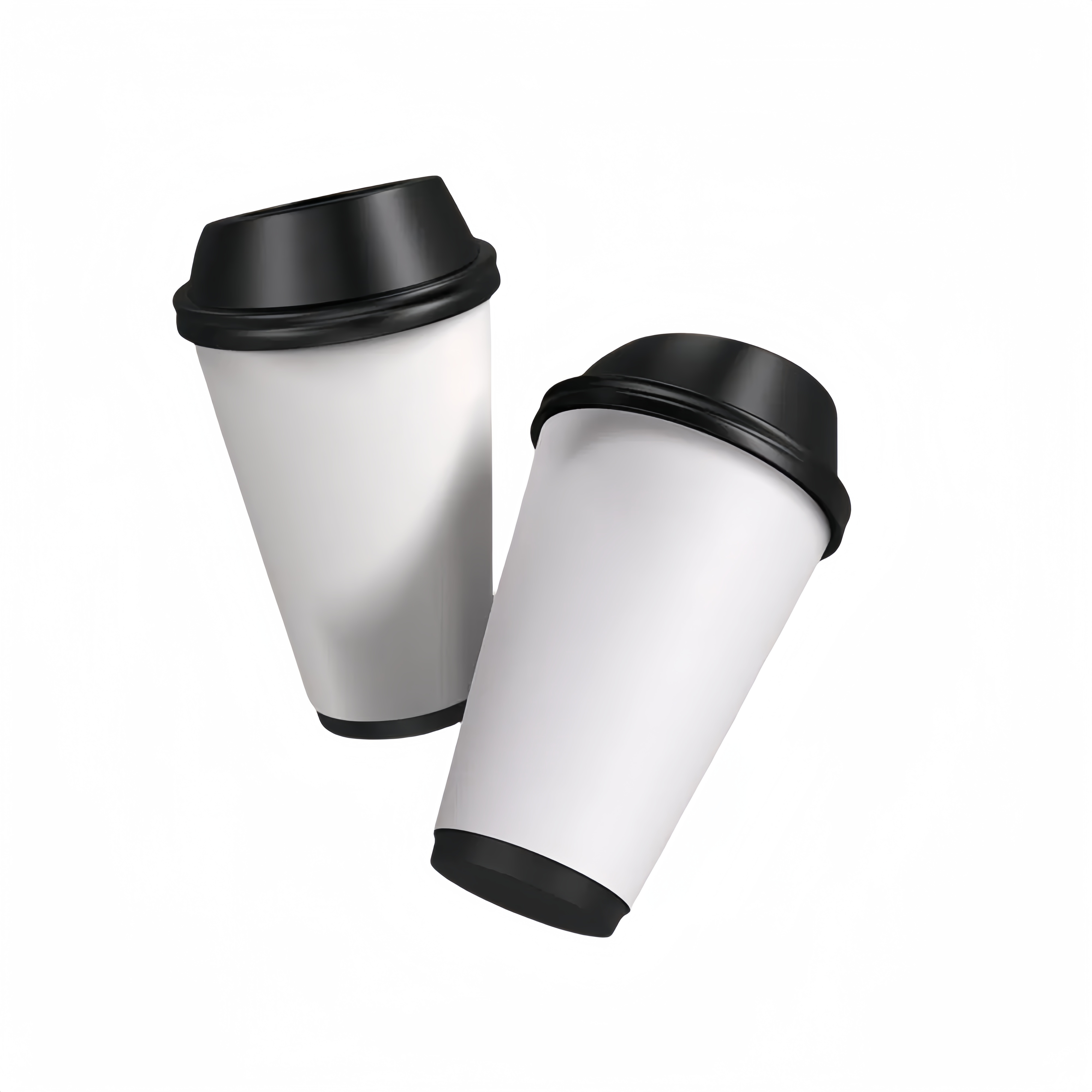
Selecting the appropriate tea cup size can significantly impact your tea drinking experience, from flavor concentration to temperature retention. Whether you're serving guests at a business meeting or enjoying a quiet moment alone, understanding the nuances of tea cup sizing helps ensure optimal enjoyment. The right tea cup enhances both the aesthetic presentation and functional aspects of your tea service, making it an essential consideration for tea enthusiasts and hospitality professionals alike.
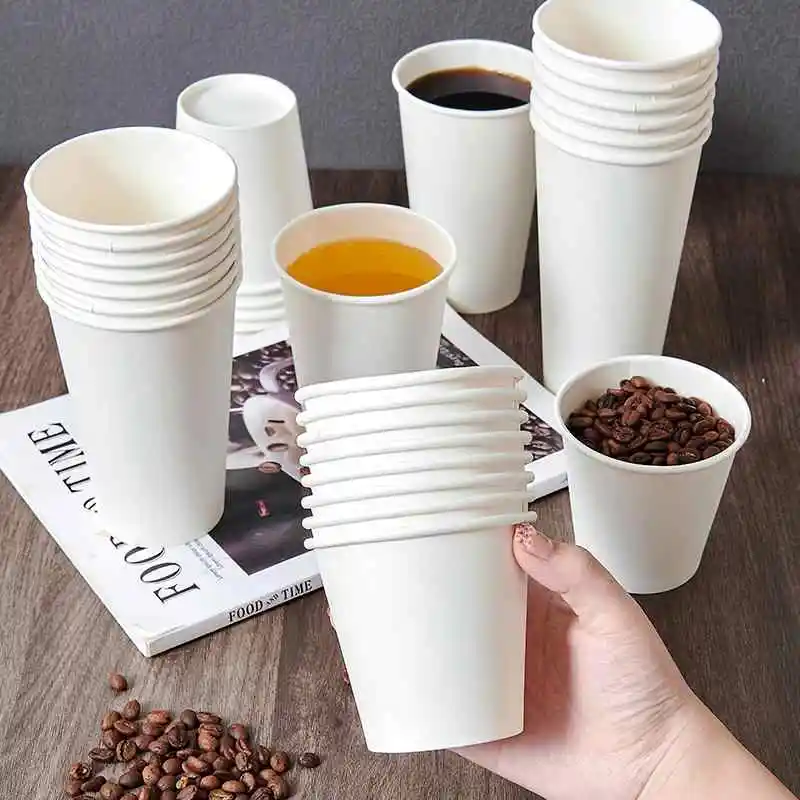
Understanding Tea Cup Capacity Standards
Traditional Tea Cup Measurements
Traditional tea cup sizes vary significantly across different cultures and serving contexts. Standard Western tea cups typically hold between 6 to 8 ounces, providing adequate space for proper tea brewing while maintaining comfortable handling. Asian tea cups, particularly those used in Chinese and Japanese tea ceremonies, often range from 2 to 4 ounces, emphasizing concentrated flavors and multiple small servings. These smaller vessels allow for better temperature control and encourage the social aspect of frequent refilling during tea sessions.
Commercial establishments often standardize their tea cup sizes to ensure consistency in service and cost management. Professional tea services frequently utilize 8-ounce capacity cups as they balance customer satisfaction with practical serving considerations. Understanding these standard measurements helps consumers make informed decisions when purchasing tea cups for personal use or business applications.
Specialty Tea Cup Variations
Specialty tea cups cater to specific tea types and brewing methods, with each design optimizing the drinking experience. Delicate white teas benefit from smaller 4-ounce cups that preserve subtle flavors, while robust black teas can accommodate larger 10-ounce servings without losing character. Green tea enthusiasts often prefer medium-sized cups around 6 ounces, which provide sufficient volume for proper leaf expansion while maintaining optimal serving temperature.
Herbal tea blends and fruit infusions work well with larger tea cup sizes, typically 8 to 12 ounces, as these beverages often require more liquid to achieve desired flavor intensity. The increased volume also accommodates additional ingredients like honey, lemon, or milk that enhance the overall drinking experience.
Factors Influencing Tea Cup Size Selection
Beverage Temperature Considerations
Temperature retention plays a crucial role in determining optimal tea cup size for different serving scenarios. Smaller tea cups maintain heat more effectively due to reduced surface area exposure, making them ideal for premium teas that require specific temperature ranges. Larger cups cool more quickly, which can be advantageous for those who prefer slightly cooler tea or need extended drinking time without rushing.
Material composition works alongside size to influence temperature management, with thicker-walled tea cups providing better insulation regardless of capacity. Professional tea services consider these thermal properties when selecting appropriate cup sizes for different menu offerings and customer preferences.
Social and Cultural Context
Cultural traditions significantly influence tea cup sizing preferences and usage patterns across different societies. British afternoon tea culture typically employs 6-ounce tea cups that complement delicate finger foods and encourage leisurely conversation. Business settings often favor medium-sized cups that project professionalism while accommodating varying individual consumption preferences.
Formal tea ceremonies require specific tea cup proportions that enhance the ritualistic aspects of the experience. These ceremonial vessels prioritize symbolic meaning and aesthetic harmony over pure functional capacity, demonstrating how cultural context shapes sizing decisions.
Practical Applications for Different Settings
Home Use Considerations
Home tea service requires versatile tea cup sizes that accommodate family members with different consumption habits and preferences. A standard 8-ounce tea cup serves most household needs effectively, providing adequate capacity for leisurely drinking while remaining manageable for children and elderly users. Families often benefit from having multiple sizes available to suit various occasions and tea types.
Storage and maintenance considerations also influence home tea cup selection, with standardized sizes simplifying organization and replacement needs. Dishwasher compatibility and stackability become important factors for busy households seeking convenient tea service solutions.
Commercial and Hospitality Applications
Commercial establishments must balance customer satisfaction with operational efficiency when selecting tea cup sizes for their service offerings. Restaurants typically choose 8 to 10-ounce capacities that satisfy most customers while minimizing refill frequency and labor costs. Coffee shops and cafes often offer multiple size options, allowing customers to customize their tea experience based on personal preferences and price points.
Hotels and conference centers frequently standardize on 6 to 8-ounce tea cups that work well for continental breakfast service and meeting room refreshments. These sizes accommodate various tea types while maintaining elegant presentation standards that reflect positively on the establishment's attention to detail.
Material and Design Impact on Size Selection
Ceramic and Porcelain Considerations
Ceramic and porcelain tea cups offer excellent heat retention properties that influence optimal sizing decisions for different applications. These materials work particularly well in medium to large sizes, as their thermal mass helps maintain desired serving temperatures for extended periods. Fine porcelain tea cups often feature thinner walls that require careful size consideration to prevent rapid cooling while maintaining elegant proportions.
Durability factors also play a role in size selection, with larger ceramic tea cups requiring more robust construction to prevent breakage during regular use. Professional food service operations often choose reinforced porcelain in standard sizes that withstand commercial dishwashing and frequent handling.
Alternative Material Options
Glass tea cups provide visual appeal that showcases tea color and clarity, making them popular choices for premium tea service presentations. These vessels typically work best in smaller to medium sizes, as larger glass cups can become unwieldy and prone to thermal shock. The transparency of glass also allows users to monitor tea strength visually, making portion control easier regardless of cup size.
Modern disposable paper tea cups offer convenience for high-volume service applications while maintaining consistent sizing standards. These environmentally conscious options come in standardized sizes that facilitate ordering and inventory management for businesses serving large numbers of tea drinkers regularly.
Health and Ergonomic Factors
Portion Control Benefits
Appropriate tea cup sizing supports healthy consumption habits by providing visual cues for portion control and caffeine intake management. Smaller tea cups naturally limit individual serving sizes while encouraging mindful drinking practices that enhance appreciation for tea quality and flavor complexity. This approach particularly benefits individuals monitoring their daily fluid intake or managing caffeine sensitivity issues.
Medical professionals often recommend moderate tea consumption facilitated by appropriately sized vessels that prevent overconsumption while maintaining the social and therapeutic benefits of tea drinking. The psychological satisfaction of finishing a properly portioned tea cup can be more rewarding than partially consuming an oversized serving.
Physical Comfort and Usability
Ergonomic considerations significantly influence tea cup size selection for users with varying physical abilities and preferences. Smaller cups reduce weight burden for individuals with arthritis or limited grip strength, while larger handles accommodate different hand sizes comfortably. The overall proportions of a tea cup affect how securely it can be held and manipulated during drinking.
Age-appropriate sizing ensures safe and comfortable tea consumption across different user demographics, with children benefiting from smaller, lighter cups that prevent spills and accidents. Senior users may prefer medium-sized tea cups that provide adequate capacity without requiring frequent refills while remaining easy to handle safely.
Cost and Value Considerations
Economic Impact of Size Selection
Tea cup size directly affects both initial purchase costs and ongoing operational expenses for businesses and individuals. Larger cups typically cost more to produce and purchase but may provide better value per ounce of capacity for high-volume users. Smaller premium tea cups often justify higher per-unit costs through enhanced drinking experiences and specialized applications.
Replacement and maintenance costs also vary with size, as larger tea cups may be more prone to damage while smaller vessels might be easier to lose or misplace. Standardizing on common sizes can reduce long-term costs through simplified inventory management and bulk purchasing opportunities.
Long-term Investment Value
Quality tea cups represent long-term investments that should align with anticipated usage patterns and personal preferences. Versatile medium-sized cups often provide the best value for general use, while specialized sizes may be worthwhile for dedicated tea enthusiasts or specific commercial applications. Consider future needs and potential changes in consumption habits when making sizing decisions.
Durability factors become more important with frequent use, making size selection part of a broader quality assessment that includes material choice, construction methods, and intended lifespan expectations. Higher-quality tea cups in appropriate sizes often prove more economical over time than frequent replacements of cheaper alternatives.
FAQ
What is the most versatile tea cup size for home use
The most versatile tea cup size for home use is typically 8 ounces, which accommodates most tea types and personal preferences while remaining comfortable to handle. This capacity works well for both casual daily use and more formal serving occasions, making it an excellent choice for households seeking a single standardized size.
How does tea type affect optimal cup size selection
Different tea types benefit from specific cup sizes based on their brewing characteristics and flavor profiles. Delicate teas like white and green varieties work best in smaller 4-6 ounce cups that preserve subtle flavors, while robust black teas and herbal blends can accommodate larger 8-12 ounce servings without losing character or becoming too diluted.
Are there standard sizes for commercial tea service
Commercial tea service typically standardizes on 8-10 ounce tea cups as they balance customer satisfaction with operational efficiency. These sizes satisfy most customers while minimizing refill frequency and associated labor costs, though some establishments offer multiple size options to accommodate varying preferences and price points.
What factors should businesses consider when choosing tea cup sizes
Businesses should consider customer demographics, service style, operational efficiency, and cost factors when selecting tea cup sizes. The target market's preferences, typical consumption patterns, staff training requirements, and inventory management needs all influence optimal sizing decisions for commercial tea service applications.