
 EN
EN
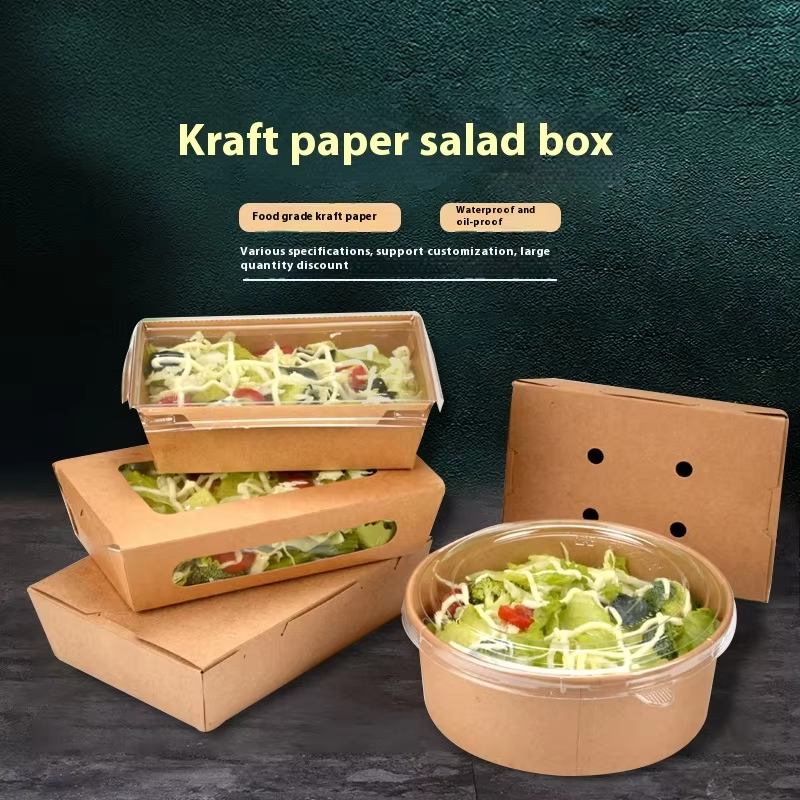
The food service industry has experienced unprecedented growth in takeout and delivery services, making the selection of appropriate togo boxes more critical than ever before. Restaurant owners, meal prep businesses, and food entrepreneurs must carefully consider packaging solutions that maintain food quality, ensure customer satisfaction, and align with environmental responsibilities. Modern togo boxes serve multiple purposes beyond simple food transportation, functioning as brand ambassadors while protecting meals during transit. The right packaging choice can significantly impact customer retention, operational efficiency, and overall business success in today's competitive marketplace.
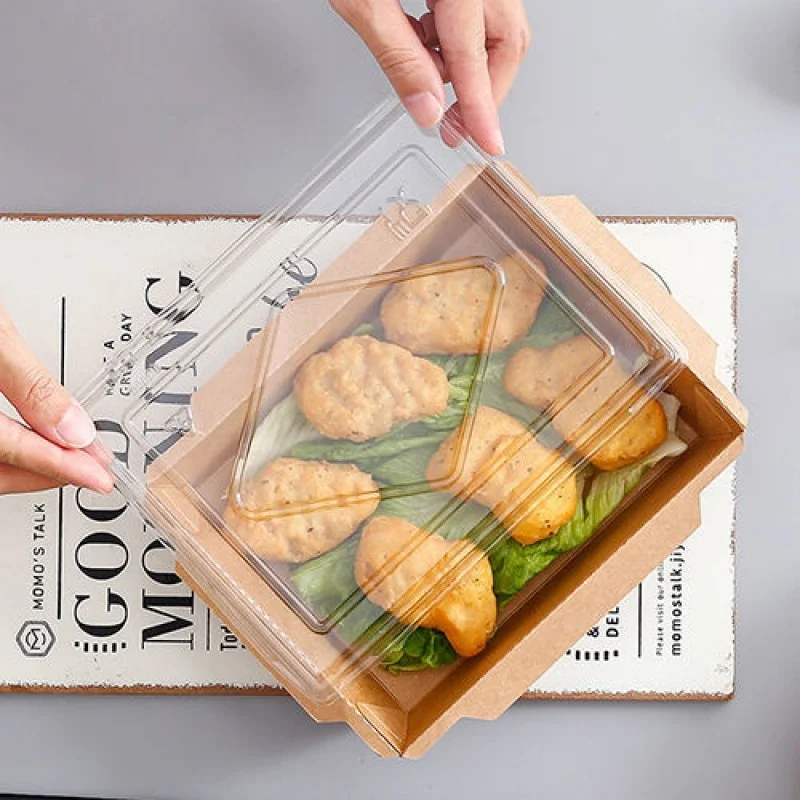
Understanding Modern Togo Box Requirements
Material Composition and Durability Standards
Contemporary togo boxes must meet stringent durability requirements to withstand the rigors of food service operations. High-quality containers feature reinforced construction that prevents structural failure during transport, ensuring meals arrive intact and presentable. The material composition directly affects both performance and environmental impact, with many establishments transitioning toward sustainable alternatives. Modern manufacturing techniques have enabled the production of lightweight yet sturdy containers that maintain structural integrity under various temperature conditions.
Food safety regulations mandate that togo boxes possess specific barrier properties to prevent contamination and maintain optimal food temperatures. These containers must resist grease penetration, moisture absorption, and temperature fluctuations that could compromise food quality. Advanced coating technologies have revolutionized container performance, providing enhanced protection while maintaining cost-effectiveness. The selection of appropriate materials ensures compliance with health department standards and reduces liability concerns for food service operators.
Size Variations and Portion Control
Effective portion control requires togo boxes designed with specific dimensional specifications to accommodate various meal types and serving sizes. Standard container sizes range from small appetizer portions to family-style meals, each engineered to optimize food presentation and minimize waste. Restaurant operators benefit from standardized sizing systems that streamline inventory management and reduce storage requirements. Proper sizing ensures efficient packing processes and consistent customer experiences across all menu items.
Multi-compartment designs have gained popularity among establishments offering diverse menu options, allowing separation of different food components within single containers. These specialized togo boxes prevent flavor mixing while maintaining appropriate portion sizes for each menu element. Strategic compartmentalization enhances visual appeal and demonstrates attention to detail that customers appreciate. The versatility of modern container designs accommodates everything from simple sandwiches to complex multi-course meals.
Environmental Sustainability in Food Packaging
Compostable and Biodegradable Options
Environmental consciousness has driven significant innovation in sustainable togo boxes, with compostable materials becoming increasingly prevalent in food service applications. These eco-friendly alternatives decompose naturally under proper composting conditions, reducing long-term environmental impact compared to traditional packaging materials. Restaurants adopting compostable containers often experience positive customer feedback and enhanced brand reputation. The certification standards for compostable packaging ensure products meet specific decomposition timelines and environmental safety requirements.
Biodegradable togo boxes manufactured from plant-based materials offer comparable performance to conventional containers while supporting environmental sustainability goals. These materials typically derive from renewable resources such as sugarcane fiber, wheat straw, or bamboo, providing excellent structural properties for food packaging applications. Manufacturing processes for biodegradable containers have improved significantly, resulting in cost-effective solutions that don't compromise functionality. The adoption of these materials demonstrates corporate responsibility while meeting consumer expectations for environmentally conscious business practices.
Recycling and Waste Reduction Strategies
Effective waste reduction strategies incorporate recyclable togo boxes that participate in established municipal recycling programs, minimizing overall environmental impact. Design considerations for recyclable containers include material selection, coating applications, and contamination resistance to ensure compatibility with recycling infrastructure. Food service establishments implementing comprehensive recycling programs often achieve significant waste diversion rates and associated cost savings. Clear labeling and customer education enhance recycling participation and improve overall program effectiveness.
Source reduction techniques involve optimizing container design to minimize material usage while maintaining performance standards, representing the most effective approach to waste management. Innovative manufacturing processes enable the production of thinner yet stronger containers that use fewer resources per unit. Bulk purchasing and efficient inventory management further reduce packaging waste and associated transportation impacts. Strategic partnerships with suppliers committed to sustainability initiatives amplify environmental benefits throughout the supply chain.
Performance Features for Food Service Operations
Temperature Retention and Insulation Properties
Superior temperature retention capabilities distinguish high-quality togo boxes from standard containers, ensuring meals maintain optimal serving temperatures during transport and storage. Advanced insulation technologies embedded within container walls provide thermal barriers that slow heat transfer, preserving food quality and safety. Double-wall construction techniques create air gaps that enhance insulation properties without significantly increasing container weight or bulk. These thermal performance features prove particularly valuable for delivery services operating over extended distances or time periods.
Steam management systems integrated into modern togo boxes prevent condensation buildup that can compromise food texture and presentation quality. Specialized venting mechanisms allow controlled moisture release while maintaining container seal integrity and temperature stability. Strategic placement of ventilation features prevents sogginess in fried foods while preserving moisture in dishes requiring higher humidity levels. The balance between containment and ventilation represents critical engineering considerations in container design optimization.
Leak Resistance and Seal Integrity
Robust sealing mechanisms ensure togo boxes maintain integrity during transport, preventing messy spills that could damage other items or create safety hazards. Advanced closure systems incorporate multiple sealing points that distribute stress evenly across container edges, reducing failure risks under normal handling conditions. High-quality sealing features resist opening during transport while remaining accessible for end users without requiring excessive force. The reliability of sealing systems directly impacts customer satisfaction and reduces costly cleanup or replacement expenses.
Grease and liquid resistance properties prevent container failure when packaging items with high oil content or sauce components, maintaining structural integrity throughout the service cycle. Specialized barrier coatings create impermeable surfaces that resist penetration while remaining food-safe and environmentally appropriate. Testing protocols verify container performance under various liquid exposure scenarios, ensuring consistent reliability across diverse menu applications. These protective features enable restaurants to expand menu offerings without compromising packaging performance or customer experience.
Cost Considerations and Supply Chain Management
Bulk Purchasing and Inventory Optimization
Strategic bulk purchasing of togo boxes enables significant cost reductions while ensuring consistent supply availability during peak demand periods. Volume discounts typically range from 15-30% compared to small quantity purchases, providing substantial savings for high-volume operations. Effective inventory management balances cost savings against storage space limitations and cash flow considerations. Seasonal demand patterns influence optimal ordering schedules and inventory levels to minimize carrying costs while preventing stockouts.
Supply chain partnerships with reliable manufacturers ensure consistent product quality and delivery schedules that support operational requirements. Long-term contracts often provide price stability and priority allocation during supply shortages or market disruptions. Quality assurance programs verify that bulk shipments meet established specifications and performance standards. Regular supplier evaluations assess performance metrics including delivery reliability, quality consistency, and customer service responsiveness.
Total Cost of Ownership Analysis
Comprehensive cost analysis for togo boxes extends beyond initial purchase price to include handling, storage, and disposal expenses that affect overall profitability. Labor costs associated with container assembly, filling, and sealing processes vary significantly based on design complexity and operational efficiency. Storage requirements influence facility costs and inventory carrying expenses that compound over time. Disposal costs increasingly reflect environmental regulations and waste management fee structures in many jurisdictions.
Quality-related costs encompass customer complaints, food replacement expenses, and potential reputation damage from packaging failures that compromise food delivery experiences. Premium containers with superior performance characteristics often justify higher initial costs through reduced failure rates and enhanced customer satisfaction. Risk mitigation benefits include reduced liability exposure and improved operational reliability during peak service periods. Long-term cost projections consider inflation trends, regulatory changes, and evolving customer expectations that influence packaging requirements.
Design and Branding Opportunities
Custom Printing and Brand Recognition
Custom-printed togo boxes serve as powerful marketing tools that extend brand visibility beyond the restaurant location, creating lasting impressions with customers and potential new patrons. High-quality printing techniques produce vibrant colors and sharp graphics that maintain visual appeal throughout the container's lifecycle. Brand consistency across all packaging elements reinforces professional image and supports customer recognition in competitive markets. Strategic design elements can differentiate establishments while communicating key brand values and messaging.
Digital printing technologies enable cost-effective customization even for moderate volume orders, making branded packaging accessible for smaller establishments and startup operations. Variable data printing capabilities allow personalization options that enhance customer engagement and create unique experiences. Color matching systems ensure brand colors reproduce accurately across different container materials and printing processes. Professional design services help optimize artwork for packaging applications while maximizing visual impact and brand recognition.
Customer Experience Enhancement
Thoughtful container design contributes significantly to overall customer satisfaction by demonstrating attention to detail and commitment to quality service delivery. User-friendly features such as easy-open tabs, secure closures, and comfortable carrying handles improve the practical experience while reflecting positively on the establishment. Presentation elements including window cutouts, attractive colors, and premium materials create positive first impressions that encourage repeat business. These design considerations show customers that their experience matters beyond just the food quality.
Interactive packaging elements such as QR codes, social media prompts, or loyalty program information transform togo boxes into engagement platforms that extend customer relationships. Strategic placement of promotional messages or menu highlights can drive additional sales and encourage customer return visits. Seasonal or limited-time designs create excitement and collectability that customers associate with positive brand experiences. The packaging becomes part of the overall dining experience rather than simply a functional necessity.
Industry Applications and Market Segments
Restaurant and Food Service Operations
Traditional restaurants utilizing togo boxes must balance cost considerations with performance requirements that support diverse menu offerings and service styles. Fast-casual establishments require containers that accommodate quick service expectations while maintaining food quality during brief transport periods. Fine dining restaurants need premium packaging that reflects their brand positioning and protects carefully crafted culinary presentations. Each service segment demands specific container characteristics that align with operational requirements and customer expectations.
Ghost kitchens and delivery-only concepts rely entirely on packaging performance to deliver satisfactory customer experiences without traditional dining room interactions. These operations often require specialized container solutions that address unique challenges such as extended delivery times, multiple order consolidation, and brand differentiation in crowded delivery markets. Volume requirements for delivery-focused operations typically justify investment in custom packaging solutions that optimize both cost and performance. Success in delivery-only formats depends heavily on packaging choices that preserve food quality and enhance customer satisfaction.
Meal Prep and Catering Services
Meal prep businesses require togo boxes with extended shelf life capabilities and microwave-safe properties to support customer convenience and food safety requirements. These containers must maintain structural integrity during refrigerated storage while providing clear visibility of contents for customer confidence. Portion control features help meal prep services maintain consistent nutritional profiles while managing food costs effectively. Stackable designs optimize refrigerated storage space and improve operational efficiency in compact preparation facilities.
Catering operations need scalable packaging solutions that accommodate everything from individual portions to family-style servings while maintaining professional presentation standards. Large-volume orders require containers with consistent quality and reliable availability to support event commitments and customer satisfaction. Transportation requirements for catering services demand containers with superior durability and temperature retention properties. The ability to customize packaging for special events enhances service differentiation and supports premium pricing strategies.
FAQ
What materials are best for environmentally conscious togo boxes
Compostable materials made from plant-based fibers such as sugarcane bagasse, bamboo, or wheat straw offer excellent environmental profiles while providing adequate performance for most food service applications. These materials break down completely in commercial composting facilities within 90-180 days, leaving no harmful residues. Paper-based containers with water-based barrier coatings provide recyclable options that work well with existing waste management infrastructure. Businesses should verify local composting and recycling capabilities to ensure chosen materials align with available disposal options.
How do I calculate the right size togo boxes for my menu items
Measure typical portion sizes for each menu category and add approximately 20% additional space to accommodate variations and prevent overcrowding that could compromise presentation. Consider the height requirements for items with vertical components and ensure containers can close securely without crushing food contents. Test different sizes with actual menu items to verify fit and presentation quality before committing to large inventory purchases. Standardizing on fewer container sizes reduces inventory complexity while maintaining adequate options for most menu applications.
What features should I prioritize for delivery and takeout containers
Prioritize secure closures that prevent accidental opening during transport, adequate ventilation to prevent condensation buildup, and grease-resistant properties for oily foods. Temperature retention capabilities become crucial for longer delivery routes, while stackability improves driver efficiency and reduces vehicle space requirements. Consider containers with integrated carrying handles or bag compatibility to enhance customer convenience. Easy-opening mechanisms balanced with secure closure during transport optimize both functionality and customer experience.
How can I reduce packaging costs without compromising quality
Implement bulk purchasing strategies for high-usage container sizes while maintaining smaller inventories of specialty sizes to optimize overall costs. Standardize container options across menu categories where possible to achieve volume discounts and reduce inventory complexity. Evaluate total cost of ownership including labor, storage, and failure-related expenses rather than focusing solely on unit price. Consider partnering with other local businesses for group purchasing opportunities that achieve volume discounts while supporting community relationships.