
 EN
EN
Corporate events have evolved significantly in recent years, with sustainability becoming a central consideration for businesses planning large-scale gatherings. When organizing conferences, trade shows, or company celebrations, selecting the right eco-friendly paper cups represents more than just a procurement decision—it reflects your organization's commitment to environmental responsibility. The choice between various sustainable options can significantly impact both your event's carbon footprint and your brand's reputation among environmentally conscious attendees.
The selection process for sustainable drinkware involves understanding multiple factors that extend beyond basic functionality. Modern eco-friendly paper cups offer sophisticated features including double-wall insulation, custom branding capabilities, and various capacity options ranging from 8oz to 22oz. These products serve diverse beverage requirements while maintaining environmental standards that align with corporate sustainability goals. Event planners must consider durability, heat resistance, and biodegradability when making procurement decisions for large-scale gatherings.
Understanding the environmental impact of traditional disposable cups versus sustainable alternatives reveals compelling data about waste reduction potential. Conventional plastic-lined paper cups can take decades to decompose in landfills, while properly designed eco-friendly paper cups break down naturally within months under appropriate composting conditions. This fundamental difference makes sustainable options increasingly attractive for corporations seeking to minimize their environmental footprint during large events.
Material Composition and Sustainability Standards
Biodegradable Coating Technologies
The foundation of truly sustainable paper cups lies in their coating technology, which replaces traditional plastic linings with plant-based alternatives. Modern eco-friendly paper cups utilize PLA (polylactic acid) coatings derived from renewable resources like corn starch or sugarcane, providing excellent moisture barriers while maintaining complete biodegradability. These innovative coatings ensure that beverages remain contained while the cup structure breaks down naturally in commercial composting facilities.
Advanced manufacturing processes have enabled the development of water-based barrier coatings that eliminate petroleum-derived materials entirely. These coatings maintain structural integrity for hot beverages while ensuring rapid decomposition after disposal. The selection of appropriate coating technology directly impacts the overall sustainability profile of your corporate event's waste stream.
Quality certifications from organizations like the Biodegradable Products Institute (BPI) provide verification that eco-friendly paper cups meet stringent compostability standards. These certifications guarantee that selected products will break down completely within industrial composting timeframes, typically 90-180 days under controlled conditions.
Recycled Content Integration
Incorporating recycled materials into eco-friendly paper cups reduces demand for virgin fiber while diverting waste from landfills. High-quality sustainable cups often contain 30-50% post-consumer recycled content, balancing environmental benefits with structural performance requirements. This recycled content integration demonstrates circular economy principles while maintaining the durability necessary for corporate event applications.
The sourcing of recycled materials requires careful verification to ensure consistent quality and performance standards. Reputable manufacturers implement rigorous testing protocols to guarantee that recycled content integration does not compromise heat resistance or moisture barriers essential for beverage service applications.
Fiber composition analysis reveals that optimally designed eco-friendly paper cups combine recycled content with responsibly sourced virgin fibers to achieve superior performance characteristics. This balanced approach ensures structural integrity while maximizing environmental benefits through waste stream diversion and sustainable forestry support.
Size Selection and Capacity Planning
Beverage Service Requirements Analysis
Determining appropriate cup sizes for corporate events requires comprehensive analysis of beverage service patterns and attendee preferences. Standard eco-friendly paper cups range from 8oz for espresso service to 22oz for specialty beverages, with 12oz and 16oz sizes covering most general beverage requirements. Event planners must consider the variety of beverages being served, from hot coffee and tea to cold refreshments, when selecting optimal cup sizes.
Capacity planning involves calculating expected consumption patterns based on event duration, attendee demographics, and seasonal preferences. Morning conferences typically require smaller cup sizes for coffee service, while all-day events benefit from larger capacity options for extended beverage enjoyment. The selection of multiple size options allows for efficient service while minimizing waste through appropriate portion control.
Professional event catering experience suggests that offering 2-3 different cup sizes optimizes both service efficiency and attendee satisfaction. This approach accommodates diverse preferences while maintaining inventory management simplicity for large-scale corporate events.
Cost-Effectiveness and Volume Considerations
Bulk purchasing of eco-friendly paper cups for large corporate events presents significant cost optimization opportunities while supporting sustainability objectives. Volume discounts typically become available for orders exceeding 10,000 units, making sustainable options increasingly competitive with traditional disposable alternatives. Event planners should factor long-term brand reputation benefits alongside immediate procurement costs when evaluating sustainable drinkware options.
Inventory management strategies for large events require careful balance between ensuring adequate supply and minimizing excess waste. Conservative estimates suggest ordering 10-15% above expected consumption to account for unexpected demand fluctuations while avoiding significant overstock situations that could negate environmental benefits.
Transportation and storage costs for eco-friendly paper cups may differ from conventional alternatives due to packaging density and structural considerations. Efficient logistics planning can optimize these factors while maintaining the environmental advantages that make sustainable options attractive for corporate events.
Customization and Branding Opportunities
Logo Integration and Design Flexibility
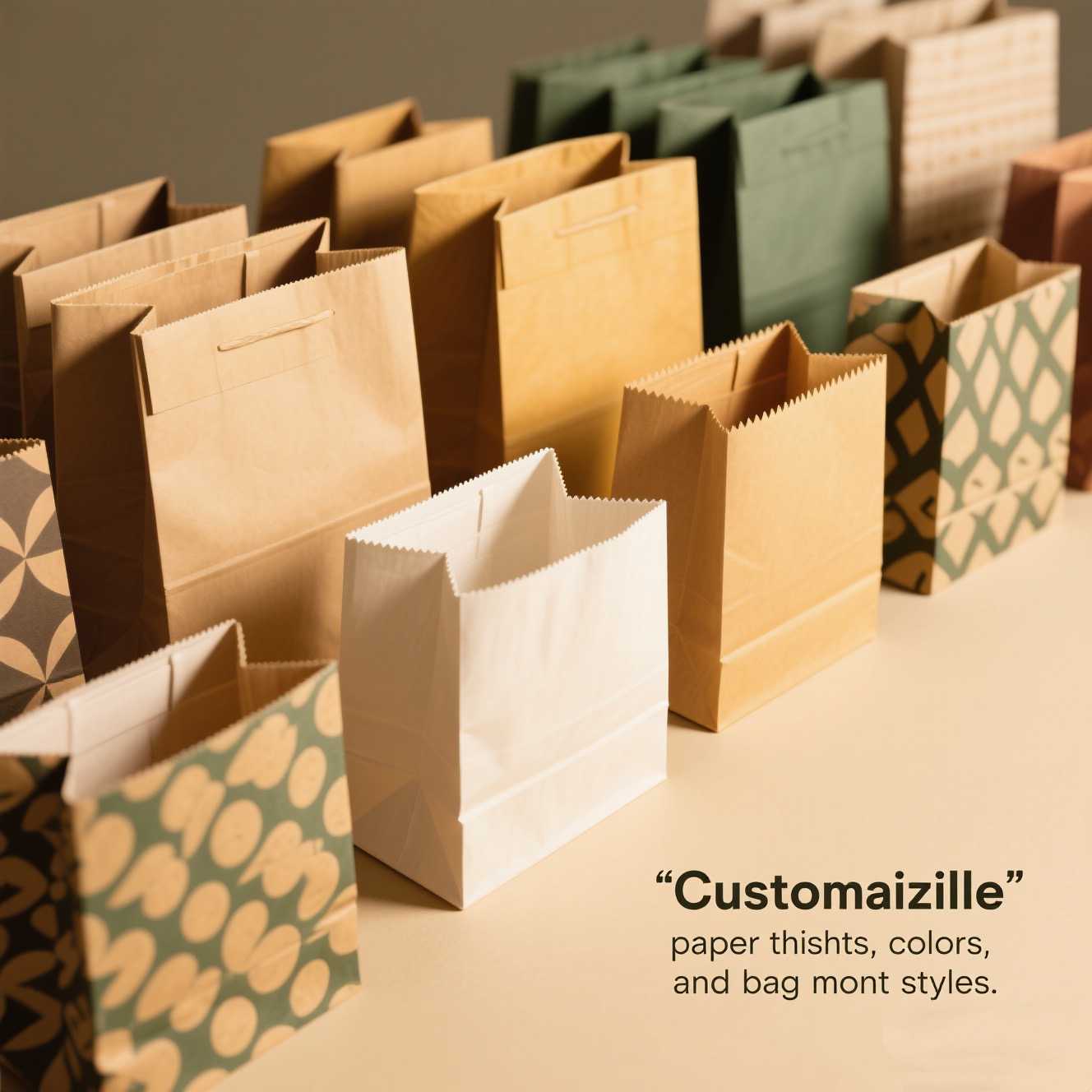
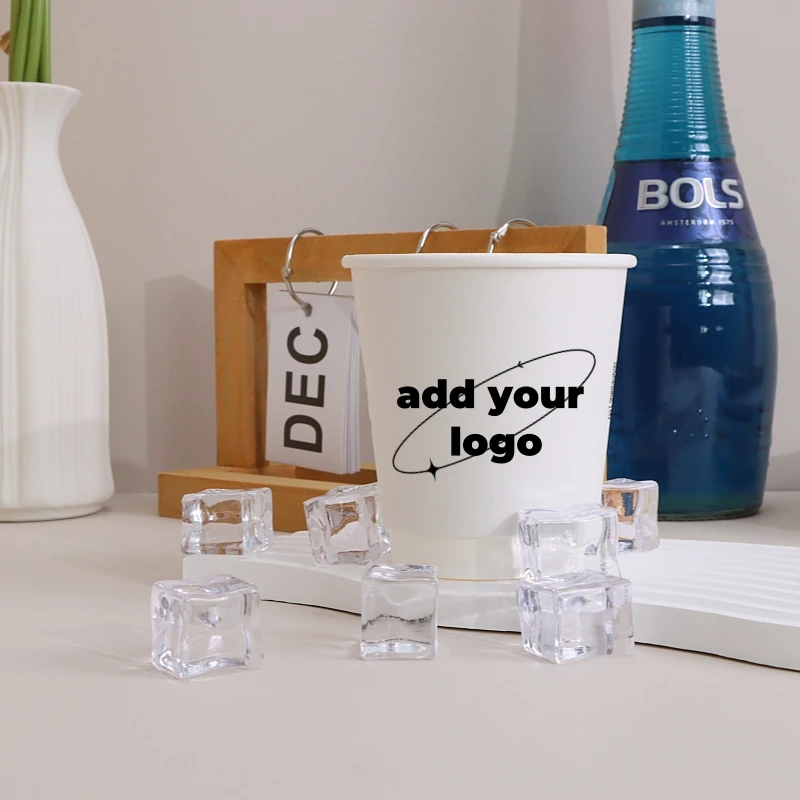
Custom branding capabilities transform eco-friendly paper cups from simple disposable items into powerful marketing tools that reinforce corporate identity throughout event experiences. Advanced printing technologies enable high-resolution logo reproduction, vibrant color matching, and sophisticated design elements that maintain brand consistency across all event touchpoints. The natural kraft appearance of many sustainable cups provides an attractive canvas for creative branding applications.
Design flexibility extends beyond simple logo placement to include custom messaging, event-specific graphics, and sustainability messaging that reinforces corporate environmental commitments. Modern printing processes accommodate complex designs while maintaining the biodegradable properties essential for sustainable disposal systems.
Professional design services often accompany custom cup orders, ensuring optimal visual impact while respecting sustainability principles. These services help corporate event planners maximize branding effectiveness while maintaining environmental authenticity that resonates with conscious consumers.
Color Options and Aesthetic Appeal
Contemporary eco-friendly paper cups offer extensive color palettes that support diverse corporate branding requirements while maintaining environmental standards. Natural kraft tones provide timeless appeal that complements most brand aesthetics, while custom color options enable precise brand matching for companies with specific visual identity requirements.
Aesthetic considerations extend beyond color selection to include texture variations, finish options, and structural design elements that enhance the overall user experience. Premium eco-friendly paper cups feature sophisticated textures and finishes that convey quality while supporting sustainability messaging.
Color consistency across large production runs requires careful coordination with manufacturers to ensure uniform appearance throughout corporate events. Professional suppliers implement quality control measures that guarantee color accuracy and consistency across all delivered products.
Performance Characteristics and Quality Assurance
Heat Resistance and Insulation Properties
Double-wall construction in premium eco-friendly paper cups provides superior heat insulation while maintaining comfortable handling temperatures for hot beverages. This advanced design eliminates the need for additional sleeves or holders, reducing overall waste generation while enhancing user experience during corporate events. The air gap between wall layers creates effective thermal barriers that protect hands while maintaining beverage temperature.
Temperature retention testing reveals that quality double-wall eco-friendly paper cups maintain hot beverage temperatures for 15-20 minutes longer than single-wall alternatives. This extended thermal performance reduces waste from abandoned beverages while improving attendee satisfaction during extended networking sessions or presentations.
Heat resistance specifications ensure that eco-friendly paper cups maintain structural integrity when filled with beverages up to 180°F, accommodating the full range of hot beverage service requirements common in corporate event settings. This temperature tolerance prevents structural failure while supporting diverse catering applications.
Durability and Leak Prevention
Advanced moisture barrier technologies in modern eco-friendly paper cups prevent leakage while maintaining biodegradable properties essential for sustainable disposal. These barriers utilize plant-based coatings that provide equivalent performance to traditional plastic linings without compromising environmental benefits. Rigorous testing ensures leak prevention throughout typical use periods for corporate events.
Structural integrity testing evaluates cup performance under various stress conditions including temperature fluctuations, handling pressure, and extended holding periods. Quality eco-friendly paper cups maintain shape and function throughout normal use cycles while supporting sustainable waste management systems.
Durability specifications include crush resistance measurements that ensure cups maintain functionality during transportation, storage, and service applications. These performance characteristics prevent premature failure that could compromise event operations or attendee satisfaction.
Waste Management and Disposal Strategies
Composting Infrastructure Requirements
Successful implementation of eco-friendly paper cups in corporate events requires coordination with appropriate waste management infrastructure to realize full environmental benefits. Commercial composting facilities provide optimal conditions for rapid decomposition of biodegradable materials, typically processing eco-friendly paper cups within 90-180 days under controlled conditions.
Event planners should verify local composting availability and requirements before selecting specific eco-friendly paper cups to ensure compatibility with available disposal systems. Some facilities have specific certification requirements or material specifications that influence product selection decisions for large-scale corporate events.
Alternative disposal strategies may include on-site composting systems for organizations with appropriate facilities or partnerships with specialized waste management providers who can ensure proper processing of biodegradable materials generated during corporate events.
Attendee Education and Participation
Effective waste diversion requires clear communication with event attendees about proper disposal procedures for eco-friendly paper cups. Signage, announcements, and staff guidance help ensure that sustainable materials reach appropriate waste streams rather than contaminating traditional recycling or landfill systems.
Educational materials explaining the environmental benefits of eco-friendly paper cups can enhance corporate sustainability messaging while encouraging responsible disposal behaviors. This communication reinforces brand values while supporting practical waste management objectives during large events.
Staff training programs ensure consistent messaging and proper waste stream management throughout corporate events. Well-informed staff members can assist attendees with disposal questions while maintaining the operational efficiency essential for large-scale gatherings.
Supplier Selection and Quality Verification
Certification Standards and Compliance
Reputable suppliers of eco-friendly paper cups maintain comprehensive certification portfolios that verify environmental claims and performance standards. Essential certifications include BPI compostability verification, FSC (Forest Stewardship Council) certification for responsible fiber sourcing, and ISO quality management standards that ensure consistent production quality.
Third-party testing laboratories provide independent verification of biodegradability claims, ensuring that selected eco-friendly paper cups meet stringent environmental standards. These testing protocols evaluate decomposition rates under various conditions, providing confidence in environmental benefit claims.
Supply chain transparency enables verification of sustainable sourcing practices throughout the manufacturing process. Leading suppliers provide detailed documentation of material origins, production methods, and quality control measures that support corporate sustainability reporting requirements.
Production Capacity and Delivery Reliability
Large-scale corporate events require suppliers with adequate production capacity and proven delivery reliability to ensure uninterrupted service during critical event periods. Established manufacturers typically maintain inventory buffers and flexible production scheduling that accommodate varying demand patterns for eco-friendly paper cups.
Geographic distribution networks influence delivery timing and costs for large orders of sustainable drinkware. Regional suppliers may offer advantages in transportation efficiency while maintaining quality standards essential for corporate event applications.
Contingency planning with suppliers includes backup inventory arrangements and alternative sourcing options that protect against supply disruptions that could compromise corporate event operations. Professional suppliers maintain transparent communication about production schedules and potential delivery challenges.
FAQ
How long do eco-friendly paper cups take to decompose compared to traditional options
Eco-friendly paper cups typically decompose within 90-180 days in commercial composting facilities, while traditional plastic-lined cups can persist in landfills for 20-30 years. The biodegradable coatings used in sustainable options break down naturally under appropriate conditions, returning organic matter to the soil ecosystem rather than accumulating as persistent waste.
Can eco-friendly paper cups handle the same temperature range as conventional disposable cups
High-quality eco-friendly paper cups with double-wall construction provide equivalent or superior heat resistance compared to traditional alternatives, safely handling beverages up to 180°F. The advanced insulation properties actually improve user comfort while maintaining beverage temperatures longer than single-wall conventional options, making them ideal for corporate event applications.
What is the typical cost difference between eco-friendly and conventional paper cups for large orders
Eco-friendly paper cups typically cost 15-25% more than conventional alternatives for large orders, but this premium often decreases with volume purchases exceeding 10,000 units. The total cost of ownership should include disposal fees, brand reputation benefits, and potential tax incentives for sustainable procurement, which can offset initial price differences.
Are there specific storage requirements for eco-friendly paper cups before events
Eco-friendly paper cups should be stored in dry, temperature-controlled environments to maintain structural integrity and prevent moisture absorption that could compromise performance. Unlike plastic alternatives, biodegradable materials may be more sensitive to humidity and temperature fluctuations, requiring careful inventory management for optimal event performance.
Table of Contents
- Material Composition and Sustainability Standards
- Size Selection and Capacity Planning
- Customization and Branding Opportunities
- Performance Characteristics and Quality Assurance
- Waste Management and Disposal Strategies
- Supplier Selection and Quality Verification
-
FAQ
- How long do eco-friendly paper cups take to decompose compared to traditional options
- Can eco-friendly paper cups handle the same temperature range as conventional disposable cups
- What is the typical cost difference between eco-friendly and conventional paper cups for large orders
- Are there specific storage requirements for eco-friendly paper cups before events