
 EN
EN
The restaurant industry is experiencing a significant shift toward sustainable packaging solutions as environmental consciousness grows among consumers and businesses alike. This transformation involves moving away from traditional plastic packaging toward eco-friendly alternatives, with paper containers emerging as a leading choice for food service establishments. Restaurant owners and managers are discovering that making this transition not only aligns with environmental goals but also enhances their brand reputation and meets evolving customer expectations. The switch to paper containers represents more than just a packaging change – it's a strategic business decision that can impact everything from operational efficiency to customer loyalty.
Understanding the Environmental Impact of Packaging Choices
The Problem with Plastic Packaging
Plastic containers have dominated the food service industry for decades due to their durability and low cost. However, the environmental consequences of plastic packaging have become increasingly apparent. Single-use plastic containers can take hundreds of years to decompose, contributing to landfill overflow and ocean pollution. Marine life suffers from plastic ingestion, and microplastics have entered the food chain, raising health concerns for consumers. Additionally, the production of plastic containers requires significant fossil fuel resources and generates substantial carbon emissions.
The accumulation of plastic waste has created what many scientists call a global crisis. Restaurants using traditional plastic packaging contribute to this problem, with millions of containers discarded daily across the food service sector. The lightweight nature of plastic containers means they easily become litter, contaminating natural environments and urban landscapes. These environmental challenges have prompted governments worldwide to implement regulations restricting single-use plastics, making the transition to alternatives not just environmentally responsible but often legally necessary.
Benefits of Paper-Based Solutions
Paper containers offer a compelling alternative to plastic packaging, providing restaurants with an environmentally responsible solution that doesn't compromise functionality. These containers are typically made from renewable resources, primarily wood fiber, which can be sustainably harvested and replenished. The manufacturing process for paper containers generally produces lower carbon emissions compared to plastic production, contributing to reduced overall environmental impact. Most paper containers are also recyclable through existing municipal recycling programs, making disposal easier for both restaurants and consumers.
The biodegradable nature of paper containers means they break down naturally in composting environments, returning organic matter to the soil within months rather than centuries. This characteristic makes paper containers particularly attractive to restaurants implementing comprehensive sustainability programs. Many paper containers are now manufactured with water-resistant coatings derived from renewable sources, ensuring they maintain structural integrity while preserving food quality and safety standards.
Evaluating Your Current Packaging Needs
Assessing Food Service Requirements
Before transitioning to paper containers, restaurants must carefully evaluate their specific packaging requirements to ensure the new containers meet operational needs. Different food types require varying levels of moisture resistance, temperature tolerance, and structural strength. Hot foods may need containers with enhanced heat resistance, while items with high moisture content require superior barrier properties. Understanding these requirements helps restaurant managers select appropriate paper containers that maintain food quality during transport and storage.
The volume and variety of food items served also influence container selection. High-volume establishments may benefit from standardizing container sizes to streamline inventory management and reduce costs. Menu diversity might require multiple container types to accommodate different food categories, from soups and salads to sandwiches and entrees. Analyzing current usage patterns and customer preferences provides valuable insights for making informed decisions about paper containers that will satisfy both operational efficiency and customer satisfaction requirements.
Cost-Benefit Analysis Considerations
Conducting a thorough cost-benefit analysis is essential when considering the switch to paper containers. While initial costs may be higher than traditional plastic alternatives, the long-term benefits often justify the investment. Many customers are willing to pay premium prices for environmentally responsible packaging, potentially offsetting increased container costs through higher menu pricing or improved customer retention. Additionally, some regions offer tax incentives or grants for businesses adopting sustainable practices, further improving the financial viability of paper containers.
The analysis should include potential savings from reduced waste disposal costs, as paper containers often qualify for composting programs that cost less than traditional waste removal. Marketing benefits from positioning the restaurant as environmentally conscious can attract new customers and improve brand differentiation in competitive markets. These intangible benefits, while difficult to quantify precisely, often provide substantial long-term value that makes paper containers an attractive investment for forward-thinking restaurant operators.
Types of Paper Containers Available
Food-Grade Container Varieties
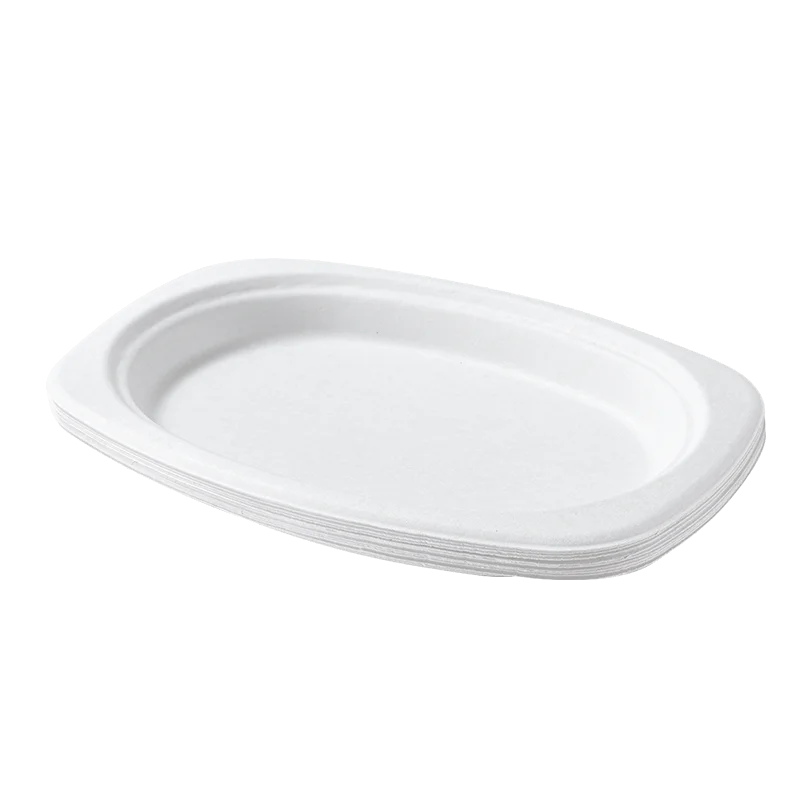
The market offers an extensive range of paper containers designed specifically for food service applications. Square and rectangular containers work well for sandwiches, salads, and entrees, providing efficient use of storage space and easy stacking for takeout orders. Round containers are ideal for soups, curries, and other liquid-based foods, with specialized designs that prevent leaking while maintaining temperature. Specialized paper containers include compartmentalized options for meals with multiple components, ensuring different food items remain separate during transport.
Innovative designs in paper containers continue to evolve, with manufacturers developing solutions for specific restaurant needs. Some containers feature built-in ventilation systems to prevent condensation and maintain food crispness, while others include integrated lids with secure closure mechanisms. The variety of sizes available ensures restaurants can find paper containers suitable for everything from appetizer portions to family-sized meals, accommodating diverse menu offerings and customer preferences.
Specialized Coating Technologies
Modern paper containers incorporate advanced coating technologies that enhance performance without compromising environmental benefits. Plant-based coatings derived from materials like cornstarch or sugarcane provide excellent moisture resistance while maintaining biodegradability. These coatings allow paper containers to handle greasy foods, hot liquids, and high-moisture content items that previously required plastic packaging. The development of these technologies has significantly expanded the applications for paper containers in food service operations.
Some paper containers feature specialized barrier coatings that extend shelf life for prepared foods, reducing food waste and improving operational efficiency. These coatings are designed to be food-safe and maintain the containers' ability to decompose naturally after use. Understanding the different coating options available helps restaurants select paper containers that best meet their specific food handling requirements while maintaining environmental sustainability goals.
Implementation Strategy for Container Transition
Phased Rollout Planning
Implementing a transition to paper containers requires careful planning to minimize operational disruption and ensure success. A phased approach allows restaurants to test different container types, evaluate customer reactions, and adjust inventory management systems gradually. Starting with high-visibility items like takeout containers or delivery packaging can create immediate positive customer impressions while providing valuable feedback for broader implementation. This approach also allows staff to become familiar with new paper containers before expanding their use throughout all food service operations.
The rollout timeline should consider seasonal variations in business volume and menu offerings. Introducing paper containers during slower periods allows for better training and adjustment, while peak seasons provide opportunities to assess performance under high-volume conditions. Establishing clear milestones and success metrics helps track progress and identify areas requiring additional attention or resources during the transition process.
Staff Training and Adaptation
Successful implementation of paper containers requires comprehensive staff training to ensure proper handling, storage, and usage. Kitchen staff need to understand any differences in how paper containers respond to heat, moisture, and food contact compared to plastic alternatives. Proper assembly techniques, appropriate filling levels, and secure closure methods are crucial for maintaining food quality and preventing packaging failures that could disappoint customers or create operational problems.
Front-of-house staff should be educated about the environmental benefits of paper containers to effectively communicate these advantages to customers. Training should include information about proper disposal methods, recycling guidelines, and the restaurant's sustainability initiatives. This knowledge enables staff to answer customer questions confidently and reinforce the restaurant's commitment to environmental responsibility, turning the container switch into a positive marketing opportunity.
Customer Communication and Marketing
Messaging Strategy Development
Effective communication about the transition to paper containers can transform a simple packaging change into a powerful marketing tool. Developing clear, consistent messaging that emphasizes environmental benefits, quality maintenance, and customer value helps build support for the switch. The messaging should address potential customer concerns about functionality while highlighting the positive environmental impact of choosing paper containers. Social media campaigns, in-store signage, and website updates can all reinforce the restaurant's commitment to sustainability.
Customer education plays a crucial role in successful implementation of paper containers. Many consumers may not fully understand the environmental advantages or proper disposal methods for paper packaging. Providing clear information about recycling options, composting compatibility, and the renewable nature of paper materials helps customers make informed decisions and feel good about supporting environmentally responsible businesses. This educational approach builds customer loyalty and encourages positive word-of-mouth marketing.
Building Brand Differentiation
The switch to paper containers provides an opportunity to differentiate the restaurant brand in an increasingly competitive marketplace. Environmental consciousness has become a significant factor in consumer dining decisions, particularly among younger demographics. By prominently featuring the use of sustainable paper containers in marketing materials, restaurants can attract environmentally conscious customers and build a reputation as a responsible business partner in the community.
Collaborating with local environmental organizations or participating in sustainability initiatives can amplify the marketing impact of switching to paper containers. These partnerships provide credibility and demonstrate genuine commitment to environmental stewardship beyond simple packaging changes. The positive brand associations created through sustainable practices often result in increased customer loyalty, positive reviews, and referrals that provide long-term business value exceeding the initial investment in paper containers.
Operational Considerations and Best Practices
Storage and Inventory Management
Proper storage of paper containers requires attention to environmental conditions to maintain quality and prevent damage. Unlike plastic containers, paper products can be sensitive to humidity and moisture, requiring dry storage areas with appropriate ventilation. Implementing first-in-first-out inventory rotation ensures containers are used before any potential quality degradation occurs. Establishing relationships with reliable suppliers helps maintain consistent inventory levels and ensures paper containers meet quality standards throughout the supply chain.
Inventory management systems may need adjustment to accommodate different ordering patterns and storage requirements for paper containers. Bulk purchasing can provide cost advantages, but storage space limitations and shelf life considerations must be balanced against volume discounts. Working with suppliers to establish appropriate delivery schedules and minimum order quantities helps optimize inventory costs while ensuring adequate paper containers are always available for restaurant operations.
Quality Control and Performance Monitoring
Establishing quality control procedures ensures paper containers consistently meet performance expectations and customer satisfaction requirements. Regular testing of container integrity, moisture resistance, and food safety compliance helps identify potential issues before they affect customer experience. Monitoring customer feedback and conducting periodic reviews of container performance provides valuable insights for continuous improvement and supplier evaluation.
Performance metrics should include both functional aspects like leak resistance and structural integrity, as well as customer satisfaction measures such as appearance and ease of use. Tracking these metrics over time helps identify trends and opportunities for optimization. Regular communication with suppliers about performance data can lead to product improvements and better alignment between paper containers and restaurant operational needs.
FAQ
Are paper containers suitable for hot and greasy foods
Yes, modern paper containers are specifically designed to handle hot and greasy foods effectively. Advanced coating technologies using plant-based materials provide excellent moisture and grease resistance while maintaining the environmental benefits of paper packaging. These coatings allow paper containers to maintain structural integrity even with high-fat content foods and elevated temperatures, making them suitable for virtually all restaurant menu items.
How do paper containers compare to plastic in terms of cost
While paper containers typically have higher upfront costs than plastic alternatives, the total cost of ownership often favors paper when considering factors like waste disposal savings, potential tax incentives, and customer premium pricing acceptance. Many restaurants find that customers are willing to pay slightly more for meals packaged in environmentally responsible paper containers, helping offset the increased packaging costs while building brand loyalty.
What are the disposal options for used paper containers
Paper containers offer multiple disposal options including traditional recycling programs, commercial composting facilities, and in some cases, backyard composting for containers without plastic coatings. Most municipal recycling programs accept food-grade paper containers, though local guidelines should be verified. Composting options provide the most environmentally beneficial disposal method, as paper containers break down naturally and contribute organic matter to soil health.
How should restaurants store paper containers to maintain quality
Paper containers should be stored in dry, well-ventilated areas away from direct moisture and extreme temperature fluctuations. Proper storage includes keeping containers in original packaging until use, maintaining appropriate humidity levels, and ensuring adequate air circulation around storage areas. Following first-in-first-out inventory rotation and establishing relationships with reliable suppliers helps maintain consistent quality and prevents storage-related issues that could affect container performance.