
 EN
EN

The disposable paper cup industry has witnessed unprecedented growth in recent years, driven by the surge in coffee culture and on-the-go beverage consumption. However, one critical challenge that manufacturers and businesses continue to face is ensuring consistent leak-proof performance across their coffee paper cup series. A leak-proof paper cup is not merely a convenience feature but an essential quality standard that determines customer satisfaction, brand reputation, and operational efficiency in the foodservice industry.
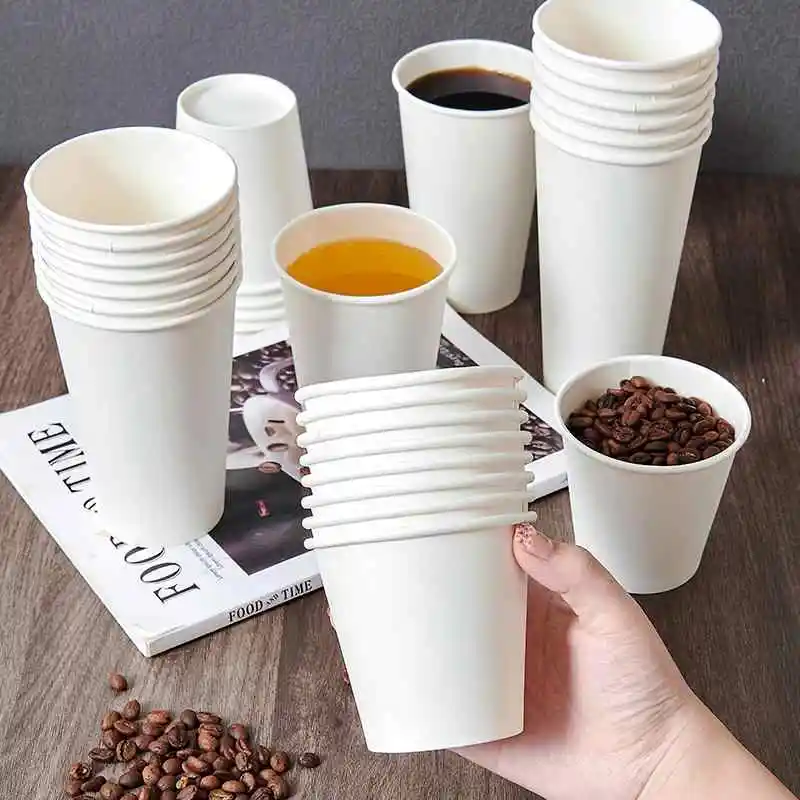
Understanding the fundamentals of leak-proof technology in paper cups requires examining the complex interplay between material science, manufacturing processes, and quality control systems. Modern leak-proof paper cup designs incorporate multiple layers of protection, including specialized barrier coatings, precision seam construction, and advanced rim forming techniques. These technological innovations work synergistically to create a reliable containment system that prevents liquid penetration while maintaining the cup's structural integrity under various temperature and pressure conditions.
The importance of achieving consistent leak-proof performance extends beyond immediate customer satisfaction to encompass broader business implications. Restaurants, coffee shops, and catering services rely on dependable paper cups to maintain their service quality and avoid costly incidents related to spillage or customer complaints. Furthermore, leak-proof paper cup technology plays a crucial role in food safety compliance, as compromised cup integrity can lead to contamination risks and regulatory violations.
Material Selection and Engineering Principles
Advanced Coating Technologies
The foundation of any effective leak-proof paper cup lies in the selection and application of appropriate coating materials. Polyethylene (PE) coating remains the industry standard, providing excellent moisture barrier properties and heat resistance. However, modern leak-proof paper cup designs increasingly incorporate specialized polymer blends that offer enhanced performance characteristics. These advanced coatings create a seamless barrier that prevents liquid from penetrating the paper substrate while maintaining flexibility during cup formation and use.
The coating application process itself is critical to achieving consistent leak-proof performance. Extrusion coating techniques must maintain precise temperature control, coating thickness uniformity, and proper adhesion to the paper substrate. Variations in coating weight or distribution can create weak points that compromise the leak-proof paper cup's integrity. Quality manufacturers employ advanced monitoring systems to ensure coating consistency across production runs, utilizing infrared thickness measurement and real-time quality feedback mechanisms.
Paper Substrate Characteristics
The paper substrate serves as the structural foundation for leak-proof paper cup construction, and its characteristics directly impact the final product's performance. High-quality virgin paperboard with controlled porosity and moisture content provides optimal coating adhesion and dimensional stability. The paper's fiber orientation, density, and surface smoothness all contribute to the effectiveness of the barrier coating system.
Sustainable sourcing considerations have led to innovations in paper substrate formulations, with manufacturers developing leak-proof paper cup solutions using recycled content and alternative fiber sources. However, these developments require careful balance between environmental responsibility and performance requirements. Advanced fiber treatment processes and additive systems help maintain leak-proof performance while incorporating sustainable materials into the cup construction.
Manufacturing Process Optimization
Precision Cup Forming Techniques
The cup forming process represents a critical phase in leak-proof paper cup manufacturing, where precise control over multiple variables determines the final product's integrity. Modern forming machines utilize sophisticated heating systems, pressure controls, and timing mechanisms to ensure proper cup wall formation and seam integrity. The temperature profile during forming must be carefully managed to activate the coating material without degrading the paper substrate or causing coating migration.
Seam construction techniques have evolved significantly to enhance leak-proof paper cup performance. Advanced ultrasonic sealing technology creates molecular-level bonds between coating layers, eliminating potential leak paths that can occur with traditional heat-seal methods. The seam overlap design and compression pressure must be optimized to ensure complete coating fusion while avoiding excessive material stress that could compromise structural integrity.
Quality Control Integration
Implementing comprehensive quality control systems throughout the manufacturing process is essential for maintaining consistent leak-proof paper cup performance. In-line inspection systems utilize advanced sensing technology to detect coating defects, seam irregularities, and dimensional variations that could affect cup integrity. Statistical process control methodologies help identify trends and variations that might impact leak-proof performance before they result in defective products.
Testing protocols for leak-proof paper cup validation must encompass both standard industry methods and application-specific evaluations. Pressure testing simulates real-world usage conditions, while thermal cycling tests evaluate performance under temperature variations. Long-term storage testing ensures that leak-proof properties remain stable throughout the product's shelf life, accounting for potential coating degradation or material interactions over time.
Design Optimization Strategies
Structural Engineering Considerations
The geometric design of leak-proof paper cup structures significantly influences their performance under various loading conditions. Wall thickness distribution, taper angle, and rim configuration all contribute to the cup's ability to maintain integrity during filling, handling, and consumption. Finite element analysis techniques help optimize these design parameters to maximize leak-proof performance while minimizing material usage and production costs.
Bottom construction represents a particularly critical aspect of leak-proof paper cup design, as this area experiences the highest stress concentrations and liquid contact. Advanced bottom forming techniques create seamless transitions between the cup wall and bottom panel, eliminating potential leak paths. The curvature profile and material distribution in the bottom section must be carefully engineered to withstand internal pressure while maintaining structural stability.
Ergonomic and Functional Features
Modern leak-proof paper cup designs incorporate ergonomic features that enhance user experience while maintaining containment integrity. Rim design optimization ensures comfortable drinking while preventing spillage during normal use. The lip thickness and curvature must provide structural strength without compromising the consumer experience or creating potential leak points.
Heat insulation properties represent an additional consideration in leak-proof paper cup design, particularly for hot beverage applications. Double-wall construction and air gap insulation systems provide thermal protection while maintaining leak-proof performance. These design features require careful integration to avoid creating potential failure modes or compromising the primary containment function.
Testing and Validation Methodologies
Standard Testing Protocols
Establishing robust testing methodologies is fundamental to ensuring consistent leak-proof paper cup performance across production batches. Industry-standard leak testing procedures involve pressurization of filled cups under controlled conditions, with leak detection through visual inspection and pressure decay monitoring. These tests must be conducted at various temperatures and pressures to simulate real-world usage scenarios.
Accelerated aging tests provide insights into long-term leak-proof paper cup performance by subjecting samples to elevated temperature and humidity conditions. These studies help predict coating stability and material degradation over extended storage periods. The testing protocols must account for various environmental conditions that cups may encounter during distribution and storage, including temperature cycling and moisture exposure.
Advanced Characterization Techniques
Modern quality assurance programs employ sophisticated analytical techniques to evaluate leak-proof paper cup performance at the molecular level. Scanning electron microscopy reveals coating microstructure and identifies potential defects that could compromise barrier properties. X-ray fluorescence spectroscopy ensures proper coating composition and thickness uniformity across the cup surface.
Water vapor transmission rate testing provides quantitative assessment of the coating's barrier effectiveness, while contact angle measurements evaluate surface properties that influence liquid wetting behavior. These analytical techniques enable manufacturers to optimize coating formulations and application processes for maximum leak-proof paper cup performance.
Troubleshooting Common Issues
Seam Integrity Problems
Seam-related failures represent one of the most common causes of leak-proof paper cup performance issues. Incomplete fusion between coating layers can create microscopic channels that allow liquid penetration over time. Root cause analysis typically reveals problems with heating temperature profiles, compression pressure settings, or coating material compatibility issues.
Addressing seam integrity problems requires systematic evaluation of the forming process parameters and material properties. Temperature mapping studies help identify hot spots or cold zones that could affect coating activation. Compression pressure optimization ensures adequate force application without causing material distortion or coating displacement that could compromise leak-proof performance.
Coating Defect Analysis
Coating-related defects in leak-proof paper cup production often manifest as pinholes, thin spots, or delamination issues. These problems typically originate from contamination in the coating material, improper extrusion conditions, or substrate preparation issues. Identifying the root cause requires careful analysis of the coating application process and material handling procedures.
Prevention strategies for coating defects include enhanced filtration systems, improved material handling protocols, and real-time monitoring of coating parameters. Regular maintenance of extrusion equipment and calibration of measurement systems help maintain consistent coating quality throughout production runs, ensuring reliable leak-proof paper cup performance.
Sustainability and Environmental Considerations
Eco-Friendly Material Alternatives
The growing emphasis on environmental sustainability has driven innovation in leak-proof paper cup materials and manufacturing processes. Water-based barrier coatings offer reduced environmental impact while maintaining effective moisture resistance. These alternative coating systems require modified application techniques and curing processes but can achieve comparable leak-proof performance to traditional polymer coatings.
Biodegradable coating materials represent another promising direction for sustainable leak-proof paper cup development. Plant-based polymers and bio-derived barrier materials offer the potential for fully compostable cup designs. However, these materials must undergo rigorous testing to ensure they maintain leak-proof properties throughout their intended service life while providing appropriate end-of-life disposal options.
Recycling and Circular Economy Integration
Designing leak-proof paper cup products for recycling compatibility requires careful consideration of material selection and construction techniques. Coating systems must be compatible with standard paper recycling processes, allowing for efficient fiber recovery and minimal contamination. This requirement drives innovation in coating chemistry and application methods to maintain leak-proof performance while supporting circular economy principles.
Life cycle assessment studies help evaluate the total environmental impact of leak-proof paper cup designs, considering raw material extraction, manufacturing processes, transportation, use phase, and end-of-life management. These analyses guide decision-making in material selection and process optimization to minimize environmental footprint while maintaining essential performance characteristics.
FAQ
What factors most commonly cause leak-proof paper cup failures
The most common causes of leak-proof paper cup failures include seam integrity issues, coating defects, and improper storage conditions. Seam problems typically result from inadequate heat-sealing parameters or contamination during manufacturing. Coating defects such as pinholes or thin spots can develop from material inconsistencies or application process variations. Storage in high humidity or temperature conditions can also compromise coating performance over time, leading to reduced barrier effectiveness.
How can manufacturers ensure consistent quality across large production runs
Maintaining consistent leak-proof paper cup quality requires implementing comprehensive process control systems, regular equipment calibration, and statistical quality monitoring. Manufacturers should establish clear process parameters for temperature, pressure, and timing controls while conducting regular inspections of critical components. Real-time monitoring systems can detect variations before they impact product quality, while batch testing protocols verify that finished products meet leak-proof performance standards.
What testing methods best evaluate leak-proof performance under real-world conditions
Effective testing for leak-proof paper cup performance should include pressure testing at various temperatures, thermal cycling evaluation, and accelerated aging studies. Pressure testing simulates the stress conditions during normal use, while temperature cycling reveals potential coating degradation issues. Long-term storage testing under controlled conditions helps predict shelf-life performance and identifies potential failure modes that may not be apparent in short-term testing protocols.
How do sustainable material choices impact leak-proof performance
Sustainable materials can maintain excellent leak-proof paper cup performance when properly engineered and applied. Water-based coatings and bio-derived barrier materials may require modified application processes and formulation adjustments, but they can achieve comparable performance to traditional systems. The key is thorough testing and validation to ensure that environmental benefits do not compromise essential functional properties. Manufacturers must balance sustainability goals with performance requirements through careful material selection and process optimization.