
 EN
EN
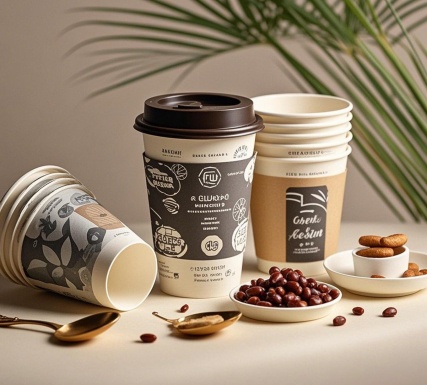
Food service businesses today face mounting pressure to adopt sustainable packaging solutions that align with environmental regulations and customer expectations. Among the most visible sustainability initiatives restaurants can implement is switching to eco friendly doggy box options for leftover meals, replacing traditional styrofoam containers that persist in landfills for decades. This transition not only demonstrates environmental responsibility but also creates positive brand associations that resonate with environmentally conscious diners who increasingly choose restaurants based on their sustainability practices.
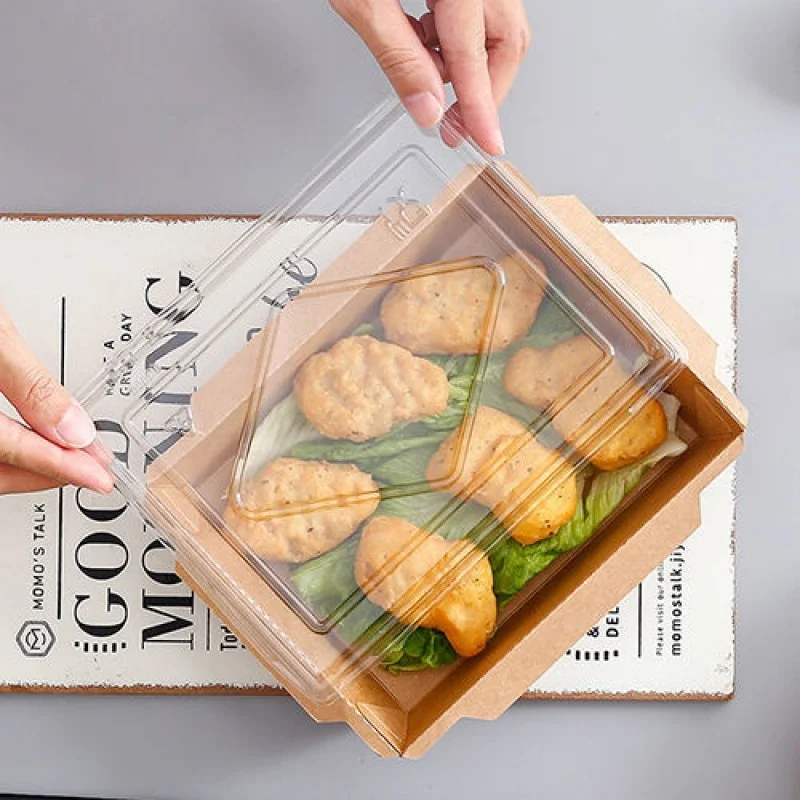
The shift toward sustainable takeaway packaging represents more than just an environmental gesture for modern food service establishments. An eco friendly doggy box strategy delivers measurable business benefits including cost savings through bulk purchasing of biodegradable materials, enhanced customer loyalty among sustainability-focused demographics, and compliance with emerging municipal regulations that restrict single-use plastics. Restaurants implementing comprehensive sustainable packaging programs report improved customer satisfaction scores and differentiation advantages in competitive markets where environmental responsibility influences dining decisions.
Material Composition and Environmental Benefits
Biodegradable Paper-Based Construction
Modern eco friendly doggy box solutions primarily utilize sustainably sourced paper materials that decompose naturally within commercial composting facilities. These containers feature food-grade coatings derived from plant-based polymers rather than petroleum-based plastics, ensuring complete biodegradability without toxic residue formation. The paper construction maintains structural integrity during typical storage periods while enabling rapid decomposition under proper composting conditions, typically breaking down within 90 days in industrial composting environments.
Advanced manufacturing techniques create moisture-resistant barriers using renewable materials like cornstarch or sugarcane bagasse, eliminating the need for traditional plastic linings. This innovative approach ensures that every component of the eco friendly doggy box contributes to environmental sustainability while maintaining the functional performance restaurants require for safe food storage and transport. The paper-based construction also facilitates easier recycling integration when composting facilities are unavailable, providing multiple end-of-life disposal options.
Compostable Coating Technologies
The protective coatings applied to eco friendly doggy box interiors represent significant advances in sustainable packaging technology. Plant-based polymer coatings derived from renewable resources create effective moisture barriers without compromising biodegradability, ensuring that sauces and liquids remain contained during transport. These bio-based coatings decompose alongside the paper substrate, eliminating the separation challenges associated with traditional plastic-lined containers that contaminate recycling streams.
Heat-resistance capabilities in compostable coatings enable safe packaging of warm foods without structural degradation or coating separation. The thermal stability of these eco friendly doggy box solutions makes them suitable for diverse menu items, from hot entrees to cold salads, providing restaurants with versatile packaging options that maintain food safety standards. Testing protocols demonstrate that properly formulated bio-coatings maintain integrity at temperatures up to 200 degrees Fahrenheit for extended periods, meeting commercial food service requirements.
Implementation Strategies for Food Service Operations
Kitchen Workflow Integration
Successful adoption of eco friendly doggy box systems requires strategic integration into existing kitchen workflows to minimize operational disruption. Staff training programs should emphasize proper assembly techniques for biodegradable containers, which may differ slightly from traditional plastic alternatives in terms of folding patterns and closure methods. Kitchen managers report that designating specific storage areas for sustainable packaging materials improves efficiency and ensures consistent availability during peak service periods.
Temperature considerations play a crucial role in eco friendly doggy box implementation, particularly for hot food items that require immediate packaging. Establishing clear protocols for cooling periods helps prevent condensation buildup that could compromise container integrity, while pre-warming containers in dry storage areas enhances their performance with hot foods. These operational adjustments typically require minimal training time while ensuring optimal packaging outcomes.
Customer Communication and Education
Effective customer education programs significantly enhance the impact of eco friendly doggy box initiatives by ensuring proper disposal and composting practices. Point-of-sale materials and server training should clearly communicate the biodegradable nature of packaging materials and provide specific disposal instructions relevant to local waste management systems. Restaurants implementing comprehensive customer education report higher satisfaction rates and increased word-of-mouth promotion of their sustainability efforts.
Digital marketing channels provide excellent platforms for showcasing eco friendly doggy box adoption as part of broader environmental commitments. Social media posts featuring the sustainable packaging transition, along with educational content about composting benefits, create engagement opportunities while reinforcing brand values. Customer feedback systems should specifically address packaging satisfaction to identify areas for improvement and celebrate successful sustainability messaging.
Cost Considerations and Economic Impact
Initial Investment and Bulk Purchasing
The transition to eco friendly doggy box solutions typically involves higher per-unit costs compared to traditional styrofoam alternatives, with premium pricing ranging from 15% to 35% above conventional options. However, bulk purchasing arrangements with sustainable packaging suppliers can significantly reduce these cost differentials, particularly for restaurants committing to large-volume orders. Strategic procurement planning enables food service businesses to negotiate favorable pricing while securing consistent supply chains for their sustainability initiatives.
Storage efficiency considerations become important factors in total cost calculations, as eco friendly doggy box products often require more warehouse space due to their construction materials and stacking characteristics. Restaurants should evaluate storage capacity requirements and adjust inventory management systems to accommodate the physical differences in sustainable packaging. Advanced planning tools help optimize order quantities and delivery schedules to minimize storage challenges while maintaining cost effectiveness.
Long-Term Financial Benefits
Market research indicates that restaurants adopting comprehensive eco friendly doggy box programs experience measurable increases in customer retention and average order values among environmentally conscious demographic segments. These revenue improvements often offset initial cost premiums within 6-12 months of implementation, particularly in markets where sustainability messaging resonates strongly with target customers. Financial modeling should include both direct packaging costs and indirect revenue benefits when evaluating program viability.
Regulatory compliance benefits provide additional financial justification for eco friendly doggy box adoption, as municipalities increasingly implement restrictions on single-use plastics and styrofoam containers. Proactive implementation of sustainable packaging solutions helps restaurants avoid potential fines and operational disruptions while positioning them favorably for future regulatory changes. Insurance providers are also beginning to recognize sustainability initiatives in risk assessment calculations, potentially reducing premium costs for environmentally responsible establishments.
Performance Standards and Quality Assurance
Structural Integrity Testing
Quality assurance protocols for eco friendly doggy box products must address both immediate performance requirements and long-term degradation characteristics. Standardized testing procedures evaluate container strength under various load conditions, moisture resistance during extended storage periods, and temperature stability across typical food service applications. These performance metrics ensure that sustainable packaging alternatives meet or exceed the functional requirements of traditional containers while maintaining environmental benefits.
Field testing programs in actual restaurant environments provide valuable data about real-world performance characteristics that laboratory conditions cannot fully replicate. Successful eco friendly doggy box implementations include monitoring protocols that track container failures, customer complaints, and staff feedback to identify potential improvements. This data-driven approach enables continuous refinement of packaging specifications and supplier relationships to optimize both performance and sustainability outcomes.
Food Safety and Regulatory Compliance
Food safety considerations remain paramount when selecting eco friendly doggy box solutions, requiring careful evaluation of materials certifications and contact surface approvals. All packaging materials must comply with FDA regulations for food contact surfaces, while biodegradable coatings must demonstrate non-toxicity under various storage conditions. Regular supplier audits and certification verification ensure ongoing compliance with evolving food safety standards in the sustainable packaging industry.
Temperature control capabilities of eco friendly doggy box products directly impact food safety protocols, particularly for potentially hazardous foods requiring specific storage temperatures. Thermal transfer characteristics of sustainable materials may differ from traditional packaging, necessitating adjustments to holding time guidelines and temperature monitoring procedures. HACCP plan modifications should reflect any changes in packaging performance to maintain comprehensive food safety coverage.
Supplier Selection and Supply Chain Management
Certification and Verification Standards
Selecting reliable suppliers for eco friendly doggy box products requires thorough evaluation of environmental certifications, manufacturing processes, and supply chain transparency. Key certifications include BPI (Biodegradable Products Institute) compostability verification, FSC (Forest Stewardship Council) sustainable sourcing documentation, and FDA approval for food contact applications. These certifications provide assurance that packaging materials meet established environmental and safety standards while supporting legitimate sustainability claims.
Supply chain auditing processes should examine raw material sourcing, manufacturing energy usage, transportation logistics, and end-of-life disposal infrastructure to ensure comprehensive sustainability throughout the product lifecycle. Vendor questionnaires and facility inspections help verify environmental claims and identify potential supply chain risks that could impact delivery reliability. Establishing relationships with certified suppliers reduces regulatory compliance risks while ensuring consistent product quality for eco friendly doggy box programs.
Inventory Management and Storage Requirements
Effective inventory management for eco friendly doggy box products requires understanding the unique storage characteristics and shelf life considerations of biodegradable materials. Moisture control becomes critical for paper-based packaging, necessitating climate-controlled storage environments and proper ventilation systems to prevent premature degradation. Rotation protocols should prioritize first-in-first-out inventory movement to minimize storage time and maintain optimal container performance.
Demand forecasting for sustainable packaging materials may differ from traditional inventory patterns due to seasonal availability of renewable raw materials and potential supply chain disruptions affecting the emerging sustainable packaging market. Buffer stock strategies help maintain service continuity while accommodating the supply variability common in sustainable manufacturing sectors. Advanced inventory management systems can integrate sustainability metrics alongside traditional cost and availability factors to optimize purchasing decisions.
FAQ
How long do eco friendly doggy boxes take to decompose in commercial composting facilities?
Most eco friendly doggy box products decompose within 90 to 180 days in properly managed commercial composting facilities that maintain optimal temperature, moisture, and oxygen levels. The decomposition timeline varies based on container thickness, coating materials, and specific composting conditions, with thinner paper-based containers typically breaking down faster than heavily coated alternatives. Home composting environments may require 6-12 months for complete decomposition due to lower temperatures and less controlled conditions.
Are eco friendly doggy boxes suitable for hot foods and liquids?
High-quality eco friendly doggy box products can safely contain hot foods up to 200 degrees Fahrenheit for several hours without structural compromise or coating separation. The heat resistance depends on the specific bio-based coatings and paper construction used in manufacturing, with some premium options offering performance comparable to traditional plastic containers. Restaurants should test specific products with their typical food items to ensure adequate performance for their menu requirements.
What is the cost difference between eco friendly doggy boxes and traditional styrofoam containers?
Eco friendly doggy box products typically cost 15-35% more than traditional styrofoam alternatives, with exact pricing varying based on order volume, supplier relationships, and specific performance requirements. Bulk purchasing arrangements and long-term supplier contracts can reduce these cost differentials significantly, while the indirect benefits of improved customer loyalty and regulatory compliance often offset the initial price premium within the first year of implementation.
Can eco friendly doggy boxes be recycled if composting facilities are not available?
Many eco friendly doggy box products can be recycled through standard paper recycling streams when composting facilities are unavailable, provided they are free from food contamination and use water-based or bio-based coatings rather than plastic linings. However, containers with significant food residue or certain specialized coatings may not be suitable for recycling and should be disposed of through general waste streams. Restaurants should verify local recycling guidelines and educate customers about proper disposal methods for their specific packaging materials.
Table of Contents
- Material Composition and Environmental Benefits
- Implementation Strategies for Food Service Operations
- Cost Considerations and Economic Impact
- Performance Standards and Quality Assurance
- Supplier Selection and Supply Chain Management
-
FAQ
- How long do eco friendly doggy boxes take to decompose in commercial composting facilities?
- Are eco friendly doggy boxes suitable for hot foods and liquids?
- What is the cost difference between eco friendly doggy boxes and traditional styrofoam containers?
- Can eco friendly doggy boxes be recycled if composting facilities are not available?