
 EN
EN

The catering industry faces increasing pressure to balance operational efficiency with environmental responsibility. Modern food service operations require packaging solutions that protect food quality while minimizing ecological impact. Sustainable disposable food containers have emerged as a practical solution that addresses both commercial needs and environmental concerns. These innovative packaging options enable caterers to serve customers effectively while demonstrating commitment to environmental stewardship. The shift toward eco-friendly disposable food containers represents a significant evolution in how the catering industry approaches sustainability without compromising service quality.
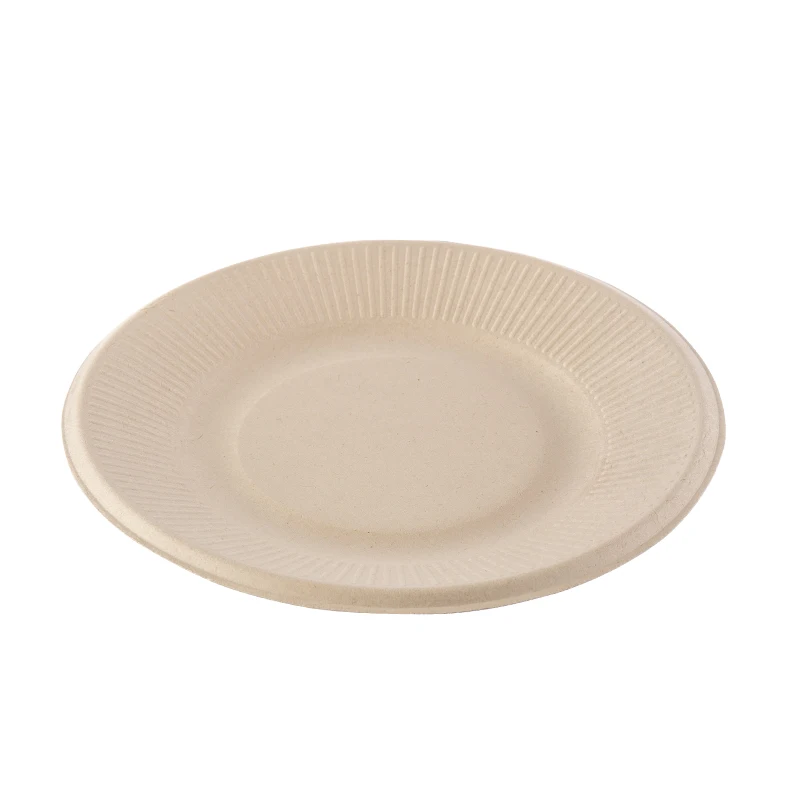
Environmental Advantages of Modern Disposable Food Containers
Reduced Carbon Footprint Through Material Innovation
Contemporary disposable food containers utilize advanced materials that significantly reduce carbon emissions compared to traditional alternatives. Manufacturers now produce containers from rapidly renewable resources such as bamboo fiber, wheat straw, and recycled paper products. These materials require less energy during production and generate fewer greenhouse gases throughout their lifecycle. The manufacturing process for eco-friendly disposable food containers typically consumes 40-60% less energy than conventional plastic alternatives. Additionally, these sustainable materials often grow quickly and sequester carbon during their cultivation phase.
Transportation efficiency also contributes to reduced carbon footprints when using lightweight disposable food containers. These containers weigh substantially less than ceramic or glass alternatives, reducing fuel consumption during delivery and distribution. The compact design of modern disposable food containers allows for optimal packing density, further minimizing transportation-related emissions. Catering companies report significant reductions in delivery vehicle fuel costs when switching to lightweight, stackable disposable options.
Biodegradability and Waste Reduction Benefits
Modern disposable food containers break down naturally in commercial composting facilities within 60-90 days under proper conditions. This rapid decomposition timeline contrasts sharply with traditional plastic containers that persist in landfills for hundreds of years. Compostable disposable food containers contribute valuable organic matter to soil systems when processed correctly. The resulting compost enhances soil fertility and supports sustainable agriculture practices, creating a circular economy approach to food packaging.
Waste stream diversion represents another significant environmental benefit of choosing appropriate disposable food containers. Many municipalities now accept compostable containers in their organic waste programs, reducing overall landfill burden. Catering operations can partner with commercial composting services to ensure proper disposal of their disposable food containers. This collaboration creates measurable environmental impact while demonstrating corporate social responsibility to clients and stakeholders.
Resource Conservation Through Sustainable Container Design
Water Usage Reduction in Food Service Operations
Traditional food service operations consume enormous quantities of water for dishwashing and sanitization processes. Switching to appropriate disposable food containers eliminates the need for washing, significantly reducing water consumption and wastewater generation. Commercial dishwashing operations typically use 2-3 gallons of water per dish cycle, not including pre-rinsing and sanitization requirements. Large catering events can consume thousands of gallons of water for cleaning reusable containers and serving dishes.
Water conservation extends beyond direct usage to include reduced chemical inputs for cleaning and sanitization. Disposable food containers eliminate the need for harsh detergents, sanitizers, and rinse aids that often contaminate wastewater systems. These chemicals require energy-intensive treatment processes before water can be safely returned to natural systems. Catering operations using disposable alternatives typically reduce their overall environmental impact related to water treatment and chemical processing.
Energy Efficiency in Commercial Kitchen Operations
Commercial dishwashing equipment represents one of the largest energy consumers in professional kitchens, often accounting for 15-25% of total energy usage. Disposable food containers eliminate the need for heated wash and rinse cycles that require substantial electricity or gas inputs. Modern commercial dishwashers operate at temperatures exceeding 180°F and consume significant energy maintaining these temperatures throughout service periods. The elimination of dishwashing processes through disposable alternatives can reduce kitchen energy consumption by thousands of kilowatt-hours annually.
Labor efficiency improvements also contribute to overall resource conservation when using disposable food containers. Kitchen staff can focus on food preparation and presentation rather than spending time on washing and sanitization tasks. This efficiency allows catering operations to serve more clients with fewer resources while maintaining food safety standards. The time savings from using disposable food containers often enables caterers to handle larger events without increasing staff requirements or kitchen capacity.
Food Safety and Hygiene Advantages
Contamination Prevention and Food Security
Single-use disposable food containers provide inherent contamination prevention advantages that support both food safety and environmental health. Each container arrives sealed and sterile, eliminating cross-contamination risks associated with inadequately cleaned reusable alternatives. Food safety incidents often result from improper cleaning or sanitization of reusable containers, leading to foodborne illness outbreaks that impact public health. Disposable food containers ensure consistent hygiene standards across all food service applications without relying on variable cleaning procedures.
Temperature maintenance capabilities of modern disposable food containers also contribute to food safety and reduced waste. Many eco-friendly options provide excellent insulation properties that maintain food temperatures longer than traditional alternatives. Proper temperature control prevents bacterial growth and extends safe consumption windows, reducing food waste from spoilage. Catering operations report fewer food safety incidents and reduced liability exposure when using appropriate disposable food containers for temperature-sensitive items.
Allergen Management and Cross-Contamination Control
Allergen management becomes significantly more manageable when using dedicated disposable food containers for different menu items. Reusable containers pose inherent risks of allergen cross-contamination despite thorough cleaning procedures. Even microscopic protein residues can trigger severe allergic reactions in sensitive individuals. Disposable food containers provide complete allergen isolation, ensuring that sensitive customers receive safe meals without contamination concerns.
Color-coded or labeled disposable food containers enable clear identification of allergen-free options throughout the catering process. This visual system reduces preparation errors and ensures proper segregation of different dietary requirements. Many catering operations develop standardized protocols using specific disposable food containers for common allergens like nuts, dairy, and gluten-containing items. These systems significantly reduce liability risks while improving customer confidence in food safety practices.
Economic Benefits Supporting Environmental Goals
Operational Cost Reduction and Efficiency Gains
The economic advantages of using disposable food containers often support environmental initiatives by making sustainable practices financially attractive. Labor cost reductions from eliminated dishwashing requirements typically offset container purchasing costs within the first year of implementation. Water and energy savings provide ongoing operational benefits that improve profit margins while reducing environmental impact. Many catering operations discover that disposable food containers actually reduce total cost of ownership compared to reusable alternatives when accounting for all operational expenses.
Equipment maintenance and replacement costs also decrease when using disposable food containers instead of maintaining commercial dishwashing systems. Industrial dishwashers require regular maintenance, repair, and eventual replacement that represents significant capital expenditure. The elimination of this equipment reduces facility infrastructure requirements and ongoing maintenance expenses. Catering companies can reinvest these savings into higher-quality disposable food containers that provide better environmental performance.
Market Differentiation and Customer Appeal
Consumer awareness of environmental issues creates market opportunities for catering operations using sustainable disposable food containers. Many clients now specifically request eco-friendly packaging options when evaluating catering services. This preference allows environmentally conscious caterers to command premium pricing while attracting environmentally aware customers. Disposable food containers made from sustainable materials serve as visible demonstrations of environmental commitment that enhance brand reputation and customer loyalty.
Corporate clients increasingly mandate sustainable practices from their vendors as part of broader environmental, social, and governance initiatives. Catering operations using eco-friendly disposable food containers often gain competitive advantages in bidding processes for corporate events and long-term contracts. These market dynamics create positive feedback loops where environmental responsibility generates business growth that supports further sustainable investments. The alignment of environmental and economic interests makes disposable food containers an attractive option for forward-thinking catering operations.
FAQ
Are disposable food containers really better for the environment than reusable options
Modern eco-friendly disposable food containers can indeed provide environmental advantages over reusable alternatives when considering the complete lifecycle impact. While reusable containers eliminate ongoing material consumption, they require significant water, energy, and chemical inputs for cleaning and sanitization throughout their useful life. Disposable containers made from renewable materials often demonstrate lower total environmental impact when accounting for production, transportation, use, and end-of-life considerations. The key factor is choosing containers made from truly sustainable materials that can be properly composted or recycled.
How long do compostable disposable food containers take to break down
Properly certified compostable disposable food containers typically break down within 60-90 days in commercial composting facilities that maintain optimal temperature, moisture, and aeration conditions. Home composting may take longer, often 3-6 months depending on local conditions and composting practices. The breakdown timeline depends on container materials, thickness, and environmental conditions. Containers meeting ASTM D6400 or similar certification standards are designed to decompose completely without leaving harmful residues in the resulting compost.
What materials are used in eco-friendly disposable food containers
Sustainable disposable food containers utilize various renewable and recycled materials including bamboo fiber, wheat straw, sugarcane bagasse, recycled paper, and plant-based bioplastics. These materials are chosen for their rapid renewability, biodegradability, and lower environmental impact compared to traditional petroleum-based plastics. Many manufacturers combine multiple sustainable materials to optimize performance characteristics like strength, moisture resistance, and temperature tolerance. The specific material choice often depends on intended food applications and local composting or recycling infrastructure capabilities.
Can disposable food containers maintain food temperature effectively
High-quality disposable food containers provide excellent thermal performance for maintaining food temperatures during transport and service. Many eco-friendly options feature multi-layer construction or natural insulation properties that rival traditional alternatives. Proper container selection based on food type and service duration ensures optimal temperature maintenance while supporting sustainability goals. Some disposable containers even outperform reusable alternatives in specific applications due to superior insulation characteristics and airtight sealing capabilities.