
 EN
EN
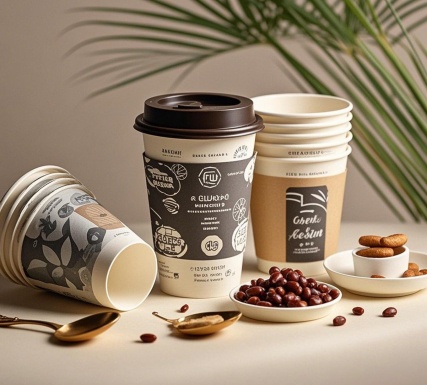
Modern businesses serving beverages face critical decisions when selecting reliable paper cup supply solutions that meet diverse operational requirements. Whether operating a bustling coffee shop, corporate cafeteria, or large-scale food service operation, the choice of paper cup supply directly impacts customer experience, operational efficiency, and brand perception across hot and cold drink applications.
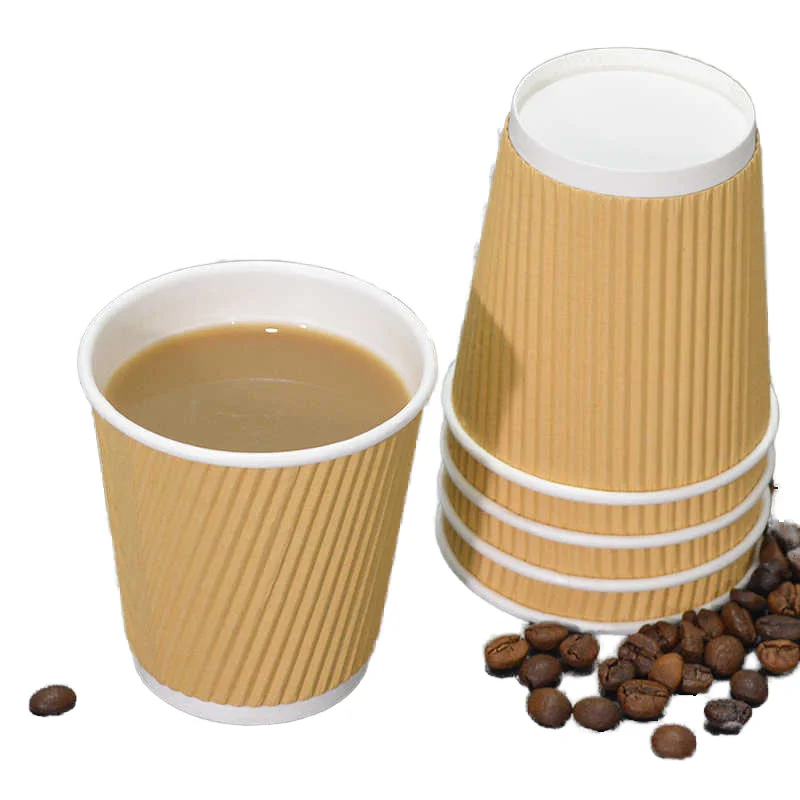
The paper cup supply industry has evolved significantly to address the growing demand for versatile beverage containers that perform consistently across temperature extremes. Today's establishments require paper cup supply partners who understand the technical complexities of thermal management, structural integrity, and food safety compliance while delivering cost-effective solutions that scale with business growth.
Understanding Temperature-Specific Paper Cup Requirements
Hot Beverage Paper Cup Specifications
Hot beverage applications demand specialized paper cup supply solutions engineered to withstand elevated temperatures without compromising structural integrity or user safety. The foundation of effective hot drink paper cups lies in their multi-layer construction, typically featuring an inner polyethylene coating that creates a moisture barrier while maintaining thermal stability at temperatures up to 200 degrees Fahrenheit.
Double-wall paper cup supply options have become increasingly popular for hot beverage service due to their superior insulation properties and enhanced grip comfort. These cups incorporate an air gap between inner and outer walls, providing thermal protection that reduces heat transfer to the exterior surface. This design eliminates the need for additional sleeves while maintaining professional appearance standards.
The paperboard thickness for hot beverage paper cup supply typically ranges from 12 to 16 ounces per square yard, providing adequate strength to prevent deformation under thermal stress. Quality paper cup supply providers ensure their hot beverage containers undergo rigorous testing to verify performance under sustained heat exposure and resistance to liquid penetration over extended holding periods.
Cold Beverage Paper Cup Characteristics
Cold beverage paper cup supply requirements focus on moisture resistance, condensation management, and structural stability when exposed to chilled liquids and ice. The primary challenge in cold drink applications involves preventing cup degradation due to external moisture accumulation and maintaining rigidity despite prolonged contact with cold temperatures.
Effective cold beverage paper cup supply solutions incorporate enhanced barrier coatings that resist moisture penetration from both interior liquid contact and exterior condensation formation. These specialized coatings maintain their integrity at low temperatures while providing smooth surfaces that facilitate easy handling and prevent adhesion issues during storage and dispensing.
Single-wall paper cups often suffice for cold beverage applications, though many paper cup supply providers offer reinforced options for high-volume operations or extended service periods. The key performance factors include sidewall strength, base stability, and rim integrity that prevents cracking or splitting during normal use with cold beverages and ice.
Quality Standards and Performance Criteria
Food Grade Certification Requirements
Professional paper cup supply operations must maintain strict adherence to food grade certification standards that ensure consumer safety across all beverage applications. These certifications verify that materials, manufacturing processes, and quality control systems meet regulatory requirements for direct food contact applications.
FDA-approved materials represent the baseline requirement for paper cup supply in commercial food service environments. Beyond basic approval, leading paper cup supply providers implement additional quality assurance protocols including batch testing, contamination prevention measures, and traceability systems that document material sources and manufacturing conditions.
International certification standards such as BRC and SQF provide additional validation of paper cup supply quality management systems. These comprehensive frameworks address facility hygiene, process control, and product safety protocols that extend beyond basic material compliance to encompass entire production and distribution chains.
Performance Testing and Validation
Reliable paper cup supply providers conduct extensive performance testing to validate product capabilities across diverse operating conditions. These testing protocols evaluate thermal resistance, liquid holding capacity, structural integrity, and barrier effectiveness under simulated real-world usage scenarios.
Thermal cycling tests expose paper cups to repeated temperature variations that simulate typical beverage service conditions. These assessments verify that paper cup supply products maintain dimensional stability and barrier properties throughout expected service life, regardless of temperature fluctuations in storage or service environments.
Liquid retention testing measures the maximum holding time for various beverage types without structural failure or significant degradation. This testing provides critical data for establishments planning service timing and helps optimize paper cup supply inventory management based on actual performance capabilities.
Customization and Branding Opportunities
Printing Technologies and Design Options
Modern paper cup supply services offer sophisticated customization capabilities that transform standard containers into powerful branding tools. Flexographic printing technology enables high-quality graphics reproduction across curved surfaces while maintaining cost effectiveness for medium to large volume orders.
Digital printing advances have expanded design flexibility for paper cup supply customization, allowing for variable data printing, seasonal promotions, and limited edition designs without significant setup costs. These technologies support complex color schemes, photographic images, and fine text reproduction that meets professional marketing standards.
Surface treatment options enhance the visual impact and functional performance of customized paper cup supply products. Matte and gloss finishes provide different aesthetic appeals while specialized coatings can add texture, improve grip characteristics, or enhance moisture resistance for specific applications.
Brand Integration Strategies
Effective brand integration through paper cup supply customization requires strategic consideration of message placement, color coordination, and visual hierarchy. The cylindrical surface of paper cups presents unique design challenges that experienced paper cup supply providers address through specialized layout optimization and proofing processes.
Logo placement on paper cup supply products typically focuses on the primary viewing panel while considering handle orientation and user grip patterns. Secondary messaging areas include base rings, rim treatments, and interior printing that becomes visible during beverage consumption, extending brand exposure throughout the user experience.
Color matching across large paper cup supply orders requires sophisticated quality control systems that account for material variations, printing conditions, and environmental factors. Professional providers maintain color standards through spectrophotometric measurement and standardized viewing conditions that ensure consistency across production runs.
Supply Chain Management and Procurement
Volume Planning and Inventory Optimization
Effective paper cup supply management requires sophisticated demand forecasting that accounts for seasonal variations, promotional activities, and business growth projections. Successful establishments typically maintain inventory levels that balance storage costs against stockout risks while accommodating lead time variability.
Demand variability in paper cup supply often correlates with weather patterns, particularly for operations serving both hot and cold beverages. Historical consumption data combined with weather forecasting enables more accurate procurement planning and reduces the risk of inappropriate inventory mix between hot and cold beverage cup specifications.
Storage requirements for paper cup supply inventory include moisture control, temperature stability, and contamination prevention measures. Proper storage conditions extend shelf life, maintain structural integrity, and preserve printing quality while ensuring products remain suitable for food contact applications throughout their storage period.
Supplier Relationship Management
Long-term paper cup supply partnerships provide operational stability and often result in improved pricing, priority allocation during high-demand periods, and access to new product innovations. These relationships require clear communication of requirements, performance expectations, and quality standards.
Supplier evaluation criteria for paper cup supply should encompass production capacity, quality consistency, delivery reliability, and technical support capabilities. Regular performance reviews and open communication channels help identify potential issues before they impact operations while fostering continuous improvement in service delivery.
Risk mitigation in paper cup supply chains often involves diversification strategies, backup supplier qualification, and strategic inventory positioning. These approaches provide operational continuity during supply disruptions while maintaining cost competitiveness through informed supplier negotiation.
FAQ
What factors determine the appropriate paper cup size for different beverage applications?
Paper cup supply selection depends on several factors including beverage type, serving volume standards, customer preferences, and operational efficiency considerations. Hot beverages typically require smaller volumes due to consumption patterns, while cold drinks often demand larger capacities to accommodate ice. Standard sizes range from 4-ounce espresso cups to 24-ounce cold beverage containers, with 8, 12, and 16-ounce options representing the most common choices for versatile applications.
How does paper cup supply quality affect beverage taste and customer satisfaction?
High-quality paper cup supply directly impacts beverage taste through barrier effectiveness, material purity, and structural integrity. Inferior cups may impart papery flavors, allow liquid penetration that weakens the container, or fail to maintain proper temperature retention. Quality paper cup supply products use food-grade materials with effective barrier coatings that preserve beverage characteristics while providing reliable performance throughout the service period.
What storage conditions are necessary to maintain paper cup supply quality over time?
Paper cup supply storage requires controlled environmental conditions including moderate temperature ranges, low humidity levels, and protection from direct sunlight and moisture exposure. Ideal storage maintains temperatures between 60-75 degrees Fahrenheit with relative humidity below 60 percent. Proper storage also includes elevation from floor surfaces, adequate ventilation, and protection from contaminants to ensure cups remain suitable for food contact applications throughout their shelf life.
How can businesses evaluate the environmental impact of their paper cup supply choices?
Environmental assessment of paper cup supply involves evaluating raw material sources, manufacturing processes, disposal options, and end-of-life management. Key considerations include recycled content percentages, renewable material sourcing, local production to reduce transportation impacts, and compatibility with local recycling or composting infrastructure. Many paper cup supply providers now offer sustainability reporting and third-party environmental certifications to help businesses make informed decisions aligned with their environmental objectives.
Table of Contents
- Understanding Temperature-Specific Paper Cup Requirements
- Quality Standards and Performance Criteria
- Customization and Branding Opportunities
- Supply Chain Management and Procurement
-
FAQ
- What factors determine the appropriate paper cup size for different beverage applications?
- How does paper cup supply quality affect beverage taste and customer satisfaction?
- What storage conditions are necessary to maintain paper cup supply quality over time?
- How can businesses evaluate the environmental impact of their paper cup supply choices?